Get Full Government Meeting Transcripts, Videos, & Alerts Forever!
Get email alerts on the Resale Certificate As Built topic
No spam. Unsubscribe anytime.
Ocean Pines debate over proposed 24‑month as‑built survey for resale packets draws homeowner concern
Summary
At a special Ocean Pines meeting, residents and board members debated a proposed Architectural Review Committee rule requiring as‑built surveys less than 24 months old in resale packets; homeowners warned the change could add $1,000–$2,000 and 30–60 days to sales and the board paused action for more public engagement.
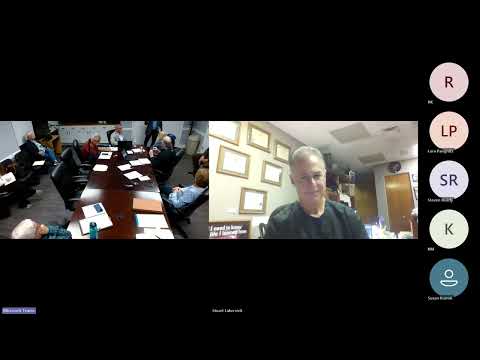
At a special Ocean Pines meeting, homeowners and board members debated a proposed change to Architectural Review Committee guidelines that would require an as‑built survey dated within the last 24 months to be included in resale packets.
Sharon O'Hare, a longtime Ocean Pines resident and realtor, told the board the requirement would add time and cost to home sales and could imperil contracts. "When you get a contract, there are three ways a buyer can get out of the contract," O'Hare said, noting that under Maryland real estate practice buyers have a five‑day rescission window after receiving a resale certificate. She said local surveyors quoted a 30‑ to 60‑day wait and a range of about $1,000 to $2,000 for a resurvey, and warned that the requirement could make some sales fall through.
"You're looking at a 30 to 60 day delay and you're looking $1,000 to $2,000 for the seller to pay," O'Hare said. "This requiring us a as‑built survey within the last 24 months is a serious issue."
Board members and other residents responded with a mix of sympathy for the burden and concern about the long‑term erosion of community standards. Phil Grillo, one of the ARC members introduced at the meeting, said the community needs to guard against incremental erosion of rules and described a desire to ensure the ARC has reliable information when deciding variance requests. Grillo also said he was looking "10 years down the road" and stressed the need for accurate records.
Other board members pushed back that the proposed survey requirement may overreach and impose a new, unnecessary cost on sellers. One board member, identified at the meeting as Steve, argued the association represents current property owners and that imposing additional financial restrictions to correct past paperwork gaps would unfairly penalize sellers and could hurt marketability. "We live with what has happened in the past," he said, adding that only a small share of properties likely have serious undisclosed problems.
Speakers also clarified the split in responsibilities between Ocean Pines and Worcester County. Several speakers said county permitting and inspection practices differ from the Ocean Pines resale packet process; the discussion included repeated points that a county clearance does not automatically mean ARC must take the same position. Linda was noted to be present to take notes and provide compliance knowledge.
Liaison to the committee (Speaker 4) framed the item as part of a first reading of updates to ARC documents and said the committee should avoid making requirements that are unattainable for members. The liaison also said ARC is a policy body rather than a regulatory enforcement arm and suggested the board should not use resale packets to extend the committee's enforcement role.
No vote was taken on the proposed change. The chair announced the board will hold a town hall to give members more opportunity to comment and indicated a potential second reading of the ARC document in the future. The meeting ended after a motion to adjourn; the board reinstated Robert's rules and adjourned without adopting the 24‑month as‑built survey requirement.
Why it matters: The proposed rule would shift costs and scheduling risk to sellers at closing and could affect the marketability of homes in Ocean Pines if buyers treat the requirement as a contingency. Board members must balance preserving community standards and avoiding policies that impose undue financial burdens on current owners. Next steps: the board plans further public engagement via a town hall and a possible second reading before any final decision.