Get Full Government Meeting Transcripts, Videos, & Alerts Forever!
Get email alerts on the Public Safety topic
No spam. Unsubscribe anytime.
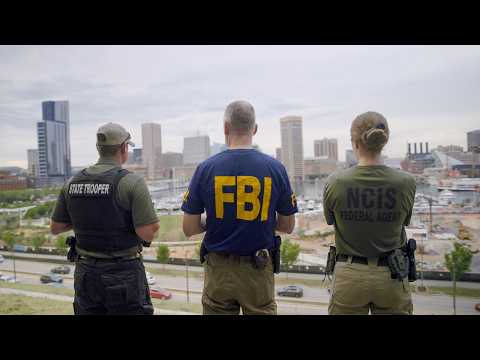
FBI Baltimore outlines security plans for Sail 250, major sporting events
Summary
Tim Harvey, supervisory special agent with FBI Baltimore, described specialty response teams, maritime bomb‑technician and underwater dive capability, and counter‑UAS operations the bureau will coordinate with state and local partners to protect large Baltimore events such as Sail 250 and NFL games.
Tim Harvey, supervisory special agent with FBI Baltimore, said the bureau is coordinating with state and local partners to bring federal specialty teams and counter‑drone capabilities to large Baltimore events including Sail 250 and major sporting contests.
Harvey said the unit he manages—identified in the transcript as the "Bridal Response Squad"—houses specialty teams such as SWAT, Evidence Response, Hazardous Evidence Response, weapons-of-mass-destruction technicians, bomb technicians and airport liaisons. "We support all the, football games," he said, citing the Ravens at M And T Bank Stadium and the Commanders at Northwest Field, and named recurring events the bureau supports such as the Preakness and PGA competitions.
Harvey described an operational threshold the Department of Homeland Security uses: "Any larger event that would draw big crowds that gets C rated, which is a rating by DHS that allows us to dedicate federal resources to." He added that some incidents at large events could become federal crimes, and that "terrorism related activity" is an instance where the FBI would assume primary jurisdiction.
On maritime capabilities, Harvey said Maryland hosts one of the few underwater hazardous‑devices teams in the country that is certified to dive. He said integrating a maritime special‑agent bomb technician with the diving team "has proven critical" and opens additional resources through the broader FBI.
Harvey also called out unmanned aircraft systems as a public‑safety concern. "UAS can pose a very dangerous threat to the American public," he said, describing a counter‑UAS coordinator who works with state and local partners on both technical measures and investigations. Ground intercept teams, he said, relay information in real time so investigators on the ground can make determinations about unauthorized operators.
He described typical event operations as including a joint command post where partner agencies "exchange information, deconflict activities, and make sure that we have appropriate coverage," and noted pre‑event joint special‑event threat assessments that consider national trends and event‑specific risks.
Harvey framed the bureau's objective succinctly: "We just wanna make sure the American public is safe and they can enjoy these events as they should," saying that an incident‑free public experience is the measure of success.
No formal decisions, motions, or votes were recorded in the briefing. The remarks focused on operational roles, interagency coordination, and technical countermeasures for public‑safety protection at large events.