Get Full Government Meeting Transcripts, Videos, & Alerts Forever!
Get email alerts on the Economic Development topic
No spam. Unsubscribe anytime.
Wausau council approves RiverLife South term sheet after heated TIF debate
Summary
The council approved a term sheet with Vanguard Partners/OneGuard to redevelop the Hammerblower riverfront site into a 143-unit market-rate project, using a performance-based PAYGO TIF approach that returns 80% of increment to the developer for up to 17 years; vote 8–3.
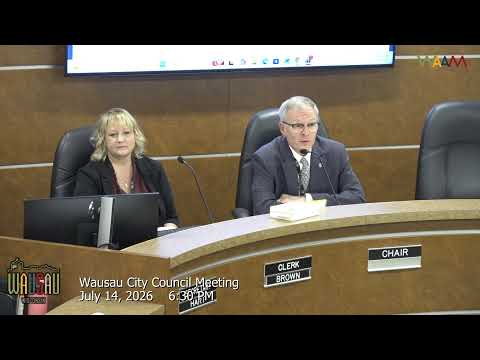
The Wausau Common Council voted July 14 to approve a term sheet (file 2660708) with Vanguard Partners/OneGuard for the RiverLife South redevelopment, a proposed 143-unit project on a brownfield site that city staff and the developer said requires substantial remediation.
David Rydell, the developer’s representative, told council that the project would convert a tax-exempt parcel into housing and estimated roughly $29 million in new taxable value, with the developer committing to more than $2 million in environmental work and site stabilization. "The project itself, is a 143 units," Rydell said in his presentation, adding the site’s extraordinary preparation costs are a principal reason incentive support was proposed.
City financial adviser Ehlers walked the council through a pro forma and explained the proposed public assistance is a pay-as-you-go (PAYGO) TIF structure tied to project performance. Keith Dahl of Ehlers said the intent was to provide only the minimum amount of public assistance needed to make the project financially feasible and to shift risk to the developer through performance-based reimbursement.
Under the term sheet discussed on the floor, the developer would pay a reduced purchase price (the city would receive $100,000 at closing) and then be eligible to receive up to 80% of the tax increment generated by the project for up to 17 years, subject to benchmarks in the agreement. Those payments are structured as reimbursements tied to assessed value and other performance measures; Ehlers reiterated "we only provide the minimum amount of public assistance needed to make the project financially feasible."
Council debate was lengthy and sharply divided. Opponents criticized the scale of incentives and said residents remain skeptical of TIF deals; Alders raised concerns about precedent, market demand, and the city’s history with TIDs. Supporters emphasized that the parcel has sat vacant for years, produces no tax revenue now, and that the city would not pay upfront cash under the PAYGO approach. "If this project doesn't happen, how many more years are we going to watch that prime spot produce $0 of revenue for the city?" Alder Neal asked, arguing the development converts a tax-exempt site into taxable value.
After extended discussion and a successful motion to end debate, the council voted to approve the term sheet by an 8–3 margin. The term sheet authorizes negotiations toward a development agreement that will contain final performance metrics, repayment timing and other legal terms.