Get Full Government Meeting Transcripts, Videos, & Alerts Forever!
Get email alerts on the Zoning topic
No spam. Unsubscribe anytime.
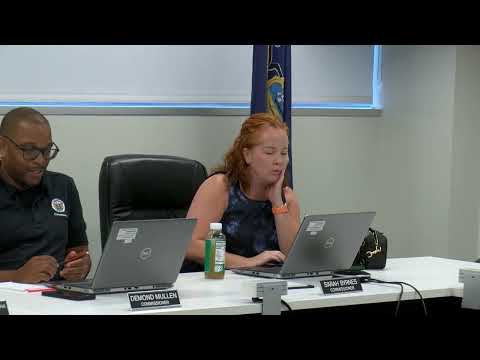
Upper Moreland commissioners open hearing on removing car washes from TC1 Town Center zoning
Summary
The board opened a public hearing required by the Pennsylvania Municipalities Planning Code on a draft ordinance to remove car washes from the TC1 Town Center District; staff described exhibits and the board discussed a conflict between the current code and drive‑through prohibitions.
The Upper Moreland Township Board of Commissioners opened Public Hearing 1976 to receive comment on a proposed amendment to the township zoning ordinance that would remove car washes from the TC1 Town Center District.
A township staff member told the board the hearing was required under the Pennsylvania Municipalities Planning Code and marked exhibits for the record, including a copy of the zoning ordinance, planning commission reviews and the public notice. "Tonight is a public hearing as was required by the Pennsylvania Municipalities Planning Code when we go ahead and amend our zoning ordinance," the staff member said.
The chair told commissioners the amendment was intended to clear a textual conflict between the zoning code and existing limits on drive‑through services. "The main problem with this is we do not allow drive thru services in the TC1 zoning," the chair said, explaining why removing car washes from the permitted‑uses list would resolve the inconsistency.
After receiving the presentation and public comment (no substantive public questions were recorded), the board proceeded with the agenda item and followed the advertised procedure that allows voting on the ordinance at the same meeting. Staff had circulated a draft ordinance and indicated the next procedural step would be an authorization to advertise and, if the board chose, a motion to adopt the amendment.
What happens next: The hearing record and exhibits will remain part of the official file; the board indicated it was prepared to act on the ordinance as advertised. The record does not include a detailed roll‑call tally in the transcript; the board conducted the vote sequence on the floor during the meeting.