Get Full Government Meeting Transcripts, Videos, & Alerts Forever!
Get email alerts on the Appropriations Ngo Showcase topic
No spam. Unsubscribe anytime.
Caddo Parish Appropriations Committee holds NGO showcase; nonprofits review youth, mental‑health, workforce and housing programs
Summary
At an informational Appropriations Committee session, nonprofit presenters described programs addressing school‑based mental‑health, transitional housing for girls, deaf‑community supports, workforce placement and neighborhood housing rehabs. Commissioners pledged follow‑up assistance; no formal votes were taken.
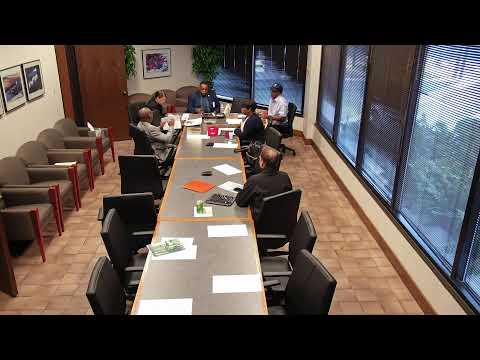
The Caddo Parish Appropriations Committee convened an informational NGO showcase at 11:35 a.m., where roughly a dozen local nonprofits outlined how parish grant funding supports programs for children and youth, mental‑health interventions, accessibility and workforce reentry. Chair Victor Thomas (Chair, Appropriations Committee; Commissioner, District 3) opened the session and said the briefings are intended to educate commissioners and the public about funded services.
The presentations emphasized direct service and partnership work rather than new policy. Lakisha Mosley Davis, adviser and volunteer program coordinator for JAG Family Resource Center, described Project Elevate as a school‑based intervention launched before COVID that evolved into a mental‑health‑centered model. She said the program was first funded around 2017, offers short in‑school modules and now prioritizes licensed counseling, group and family wraparound supports and community‑based grounding activities, including farm‑based interventions. JAG provided a street address (4868 Greenwood Road) and phone number (318‑405‑1382) for referrals and volunteer inquiries.
Tanya Barnes, founder and executive director of Beulah Safe Haven, told commissioners the organization now focuses on girls aged about 15–17 and runs an outreach program serving ages 13–25. Barnes said the transitional home has room for three residents and that regional placement is constrained: she reported that DCFS listed 12 certified foster homes for girls 14–17 and that, "as of yesterday," only one bed was available. Barnes described trauma‑informed programming, life‑skills training, and partnerships with local agencies for clinical counseling and post‑placement referrals.
Other presenters highlighted different gaps and services. A Southport representative described a $15,000 education grant that funded a temporary Natural Histories exhibit and reported nearly 12,000 admissions across a four‑week run, including 2,600 Caddo Parish residents and an estimated $41,703 local return on investment for that exhibit period. The Betty and Leonard Phillips Deaf Action Center director (identified in the transcript as Wendy) outlined regional services for deaf, hard‑of‑hearing and deaf‑blind residents, noting about 4,500 people in Caddo Parish with hearing loss and an estimated 500 ASL‑first users who require interpreters and tailored accessibility supports; the organization used commission funds to procure hardwired visual smoke alarms for residents.
Jean Humphrey of Image Changers described neighborhood gardening and nutrition programming tied to youth education and volunteer days; the group is working with LSU AgCenter and local schools to expand outdoor classroom, greenhouse and farmer's‑market efforts. The Northwest Louisiana Family Justice Center summarized multi‑parish domestic‑violence support services and partnerships with district attorneys’ offices and law enforcement. The Denaja Green Foundation and other smaller nonprofits outlined youth workshops, scholarship awards and community events.
Goodwill presented workforce and reentry data: its materials reported serving 1,782 individuals in job‑readiness activities in 2025, placing 525 people in employment with an average wage of $12.88 per hour and a 90‑day retention rate the presenter estimated at about 80 percent. Goodwill staff highlighted employer partnerships (including Amazon, DOTD, FedEx and local employers), an open‑placement intake model that informs program development and an economic payroll impact estimate of about $14.5 million for placed clients during the reported period.
Several presenters noted concrete volunteer and contact opportunities. Commissioners repeatedly offered to connect nonprofits with internal partners and external resources — for example, linking programs to juvenile services, LSU AgCenter supports, and local apprenticeship or Job Corps programs — and asked groups to forward materials and invitations so commissioners can visit project sites.
No motions or votes were recorded during the session. Chair Thomas closed the showcase noting the committee will reconvene on July 22 for an official appropriations meeting that will include remaining housekeeping and final steps in preparing the 2027 appropriations cycle.
Attribution note: quotes and program details in this summary are attributed only to speakers who identified themselves on the record (for example, Victor Thomas; Julissa Thomas; Clay Walker; Michelle Nations; Lakisha Mosley Davis; Tanya Barnes; Jean Humphrey; Vincent Williams). Other speakers in the record used functional labels (commissioner, presenter) but did not always provide full names; this article follows the transcript’s explicit identifications and uses role labels where names were not provided.