Get Full Government Meeting Transcripts, Videos, & Alerts Forever!
Get email alerts on the Consumer Protection topic
No spam. Unsubscribe anytime.
Grand Forks leaders weigh restrictions on Bitcoin ATMs after fraud reports
Summary
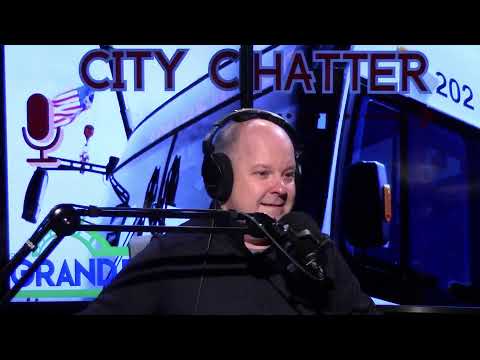
On the City Chatter podcast, City Council Vice President Danny Weigel described reports of substantial fraud tied to Bitcoin ATMs and said the council last night asked the city attorney to draft options for local regulation, ranging from signage and business rules to possible bans.
City Council Vice President Danny Weigel said the council is exploring ways Grand Forks might limit harm from Bitcoin ATMs after local law enforcement reported hundreds of thousands of dollars in related fraud.
On the City Chatter podcast, Weigel said he’d spoken with Detective Reitinger about scams tied to the kiosks and that the detective had "totaled up" "about half $1,000,000" in reported losses over the last couple of years. Weigel said the machines commonly charge steep fees—he quoted a "20 to 30%" fee as an example—and that some municipalities nationwide have tried outright bans, prompting litigation from owners and operators.
Weigel framed Grand Forks’ response as cautious and practical: "There’s gotta be a way that we can regulate it in in some way," he said, listing options short of an immediate ban, including clearer signage and business-level requirements for sites that host the machines. He added that at the council’s recent meeting members asked the city attorney to come back with a "game plan of what we can do, what we can't do." The podcast did not record a formal ordinance or vote; Weigel described a direction to staff rather than a final policy.
Legal and practical limits were a theme. Weigel noted that anything the city cannot cover by ordinance falls back to state law, so some measures—such as an outright ban—might be subject to legal challenge. He said the goal is to "save somebody" from large losses and to identify regulations that are enforceable at the local level.
Next steps: the city attorney was asked to develop options and return them for council consideration; no formal vote or ordinance language was presented on the podcast. The council’s eventual action will depend on the attorney’s recommendations and any legal constraints identified.