Get Full Government Meeting Transcripts, Videos, & Alerts Forever!
Get email alerts on the Food Service And Policy topic
No spam. Unsubscribe anytime.
Board sets student meal prices, approves food‑service budget and updates meal‑charge policy
Summary
Following a budget committee recommendation, the board set student breakfast at $1.50 and student lunch at $3.00, approved the food‑service budget, and amended the school meal charge policy to comply with state law (removing alternative meals and prohibiting lunch shaming).
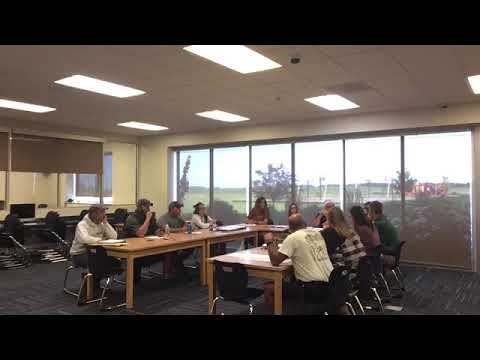
Barnes County North’s board approved new meal prices, accepted the food‑service budget, and amended the district’s meal‑charge policy at its July 17 meeting.
The budget committee recommended student breakfast at $1.50 and student lunch at $3.00 (extra milk 50¢), with guest prices set at $3 for a guest student lunch, $5 for a guest adult lunch and $2 for guest breakfasts. The committee presented cost analyses and noted that, excluding salaries and benefits, meal supply costs were estimated by staff; committee members said they aimed to balance family affordability and progress toward state target pricing. The board approved the price motion on roll call.
The board also approved the food‑service budget as presented. The presenters described efforts to identify cost savings (bulk purchasing, menu adjustments) and projected the budget would leave some revenue (presenters estimated a potential $25,000 margin) to help offset salaries that the budgeted meal prices did not fully cover.
Finally, the board amended the school meal‑charge policy to conform with state law by removing alternative meals and prohibiting lunch shaming. The board used a BDA policy waiver to adopt the change in a single reading; administration said the amendment is intended to ensure compliance with state reporting and legal requirements.
A district official summarized the policy change bluntly: "You can't there's no lunch shaming," and the board adopted the updated policy language on the record.
The food‑service director and business office were assigned follow‑up tasks to publish new prices, update point‑of‑sale systems and incorporate policy changes into handbooks.