Get Full Government Meeting Transcripts, Videos, & Alerts Forever!
Get email alerts on the Zoning Cottage Housing topic
No spam. Unsubscribe anytime.
Georgetown council pauses approvals under cottage-housing rule after sustained public outcry
Summary
After extended public comment and council debate, Georgetown’s mayor and council agreed to suspend planning review of new applications under town code section 2-30-25 (cottage living) and to form a small working group to revisit ordinance 20 25 0 7 and related state requirements.
Georgetown’s mayor and town council moved on Monday to suspend planning-department review of new site-plan applications under the town’s cottage-living rule while staff and a newly formed working group study revisions.
Residents filled the council chamber to oppose repeal of ordinance 20 25 0 7 and to press for changes to where and how cottage communities could be sited. Lisa Rothing of Sweet Gum Court said she submitted petitions with more than 100 signatures and argued the ordinance—which allows up to 12 units on a one-acre minimum parcel—was too dense for existing neighborhoods and would strain local infrastructure. She said dozens of large developments already approved in the pipeline will add hundreds of homes to town.
Other critics raised concerns about design, parking and emergency access. Linda Dennis and Maria Hammond cited specific site and accessibility problems at two existing small-house developments and warned that high on-street parking could impede emergency response.
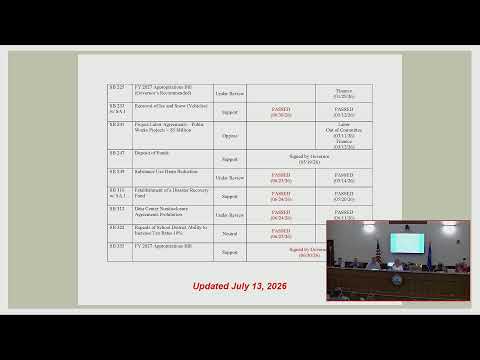
Councilmembers said they shared some residents’ concerns about location and scale but also recognized a statewide push for municipalities to identify more affordable housing. Jean (town staff) reminded the council that the draft ordinance and related materials reference recommendations from the Affordable Housing Production Task Force and are informed by Senate substitute 2 for SB 23, a pending state-level requirement that municipalities include measures to accommodate affordable housing.
After discussion, councilmembers agreed a narrower path forward: staff will provide materials on the task-force recommendations and the pending state law, a four- to six-person working group will review options (including treating cottage communities as conditional uses), and planning staff were directed to suspend review of new applications under section 2-30-25 until further notice. The suspension motion passed on a roll/poll vote.
The council’s next steps include meeting with the assigned group, reviewing the state requirements and returning proposed revisions or recommendations for public review. Council members emphasized they were not seeking to eliminate affordable housing options but to define where and how cottage developments should be allowed.