Get Full Government Meeting Transcripts, Videos, & Alerts Forever!
Get email alerts on the Personnel topic
No spam. Unsubscribe anytime.
Bladen County board authorizes start of reduction-in-force process amid multi‑million dollar shortfall
Summary
The Bladen County Board of Education voted to allow administration to begin the formal reduction‑in‑force process under board policies 7920 and 7921 after Superintendent Dr. Atkinson outlined projected state and local revenue shortfalls and potential $2.1–$3.1 million savings scenarios. The authorization does not immediately eliminate positions.
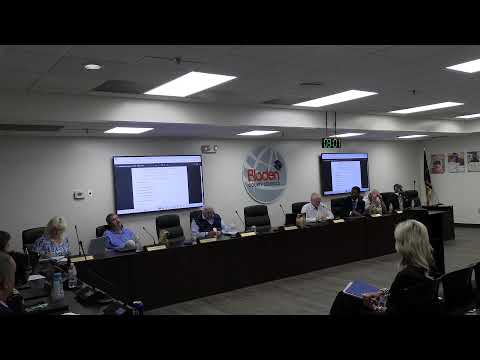
The Bladen County Board of Education on Monday authorized Superintendent Dr. Jason Atkinson to begin the district's formal reduction‑in‑force (RIF) process, citing projected revenue shortfalls and rising operating costs.
Atkinson told the board the district faces a multiyear funding crunch driven by lower average daily membership, charter school deductions and state budget uncertainty. "When you look at what we actually requested versus what we received, and take away the charter school amount, you really end up at a net loss of about $3,100,000," he said, explaining the administration's need to identify potential savings.
The motion passed after extensive debate about process and protections for employees. Board counsel presented amended language clarifying the vote authorized administration only to "move forward with the reduction‑in‑force process outlined in policy 7920 and 7921 for certified and classified positions for the 2026–27 school year," not to terminate staff that night.
Board members pressed for detail on how candidates would be selected, citing policy criteria such as performance evaluations, licensure, degrees and seniority. One member asked whether the draft list already represented decisions about particular positions; the superintendent and counsel responded that the staff's list identified budget lines and position categories rather than named employees and that any personnel specifics would be examined in closed session and returned to the board for final action.
Atkinson said the district will explore retirements, vacancies and reassignment options before recommending actions. He also noted recent Medicaid reimbursements and other small revenue recoveries that improved the short‑term outlook, but he said the structural gap remained.
The board approved the motion in two steps—first to amend the recommendation language, then to approve the amended motion. The chair announced the motion carried. The authorization directs staff to apply board policy, develop scenarios and present recommendations to the board in closed session at a future meeting, after which the board would vote on any specific personnel actions.
What happens next: administration will develop detailed scenarios and bring proposed personnel recommendations to the board in closed session; the board retains final authority to approve any dismissals or reassignments.
Why it matters: authorizing the RIF process starts a formal, policy‑driven review that could change the district's staffing and operating budget for 2026–27, affecting district operations and employee livelihoods while the board seeks to protect classroom positions where possible.