Get Full Government Meeting Transcripts, Videos, & Alerts Forever!
Get email alerts on the Charrette topic
No spam. Unsubscribe anytime.
Plan New Hampshire proposes three-day charrette to guide Ashland mill and downtown redevelopment
Summary
Plan New Hampshire told the Ashland Planning Board it can run a three-day, volunteer-led charrette to help the town craft a redevelopment vision for its mill area, downtown and infrastructure; the board agreed to start an application and raise a $6,500 administrative fee.
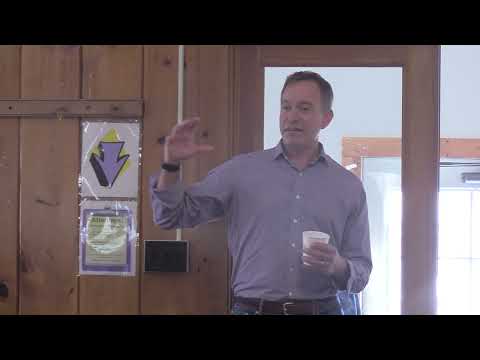
Chris Solomon, a board member with Plan New Hampshire, told an Ashland Planning Board meeting that the organization can bring a volunteer team of architects, planners, engineers and other experts to town for a three-day design charrette to develop concepts and an implementation roadmap for downtown and the mill area.
"This is a collaborative session where we'll, over the course of 3 to 4 days, work with all of you and whoever else...to study the town and get to know what's here," Solomon said, describing a process in which the visiting team develops concepts overnight and returns to present designs and recommendations.
The session matters because attendees repeatedly described urgent fiscal and physical challenges. Residents warned infrastructure costs and deferred maintenance threaten town services and could push taxes higher without new revenue. "If we keep going without doing anything, taxes will keep going up," one resident said. Speakers described a badly deteriorating three-story mill complex near downtown that they said could be both a keystone for renewal and a continuing fiscal burden if left to fail.
Local residents and business owners urged the board to use the charrette to coordinate priorities such as rezoning the mill area for commercial or light-industrial use, improving sidewalks and pedestrian safety, addressing parking shortages, and exploring renewable-energy and tourism-linked opportunities. "What really would be helpful is if there was support and help from the town, an occasional tax break...or helping to find some grant money to help reface the building," a mill owner said.
Speakers also pointed to precedents where similar processes led to private investment: the presenters cited Littleton’s riverfront work and Stevens Mill conversions as examples that began with community visioning and later attracted private and public funding.
Funding and logistics were central to the discussion. A state economic development official present said charrettes help communities prioritize projects and assemble realistic funding stacks—examples given included USDA programs and the Clean Water State Revolving Loan Fund. Mike Soriani, a permanent resident, suggested the town examine using roughly 33 acres for a solar-array project to generate revenue and lower energy costs.
Solomon said next steps include preparing and submitting an application to Plan New Hampshire; he stated on the record that the typical administrative fee to host a charrette is $6,500 and that the professionals who serve on the visiting team generally volunteer their time. "There's an application fee. We need to raise money for that," he said, and asked the town to assemble a list of stakeholder participants, potential local hosts and local in-kind support for logistics such as meals and space.
The Planning Board and attendees discussed scheduling the event when seasonal residents and visitors are in town to maximize participation, and noted the need to coordinate with the state Department of Transportation on downtown traffic and pedestrian improvements. Solomon said the group will follow up with an application timeline and suggested dates once fundraising and logistics are clearer.
The meeting closed with the board and presenters agreeing to move forward on preparing the application and assembling local partners and hosts for a future charrette.