Get Full Government Meeting Transcripts, Videos, & Alerts Forever!
Get email alerts on the Parade Controversy topic
No spam. Unsubscribe anytime.
Jewish residents say July 4 parade left them feeling unsafe; council hears split public reaction
Summary
Dozens of speakers told the Evanston City Council that marchers carrying Palestinian flags and chanting 'Free Palestine' during the July 4 parade left many Jewish attendees feeling afraid and unheard; other speakers defended the marchers’ right to free expression. Mayor Biss urged civic dialogue while the city declined to retroactively bar participants.
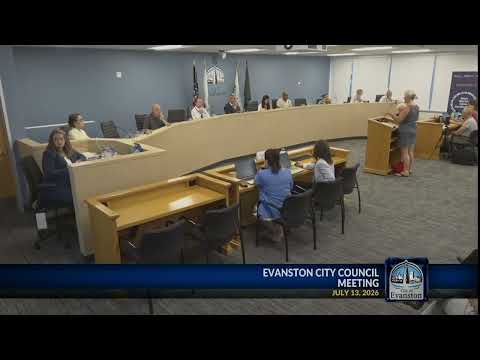
Dozens of residents told the Evanston City Council on July 13 that the city’s July 4 parade left many Jewish attendees feeling unsafe after a contingent carried Palestinian flags and signs alleging 'genocide' and chanted slogans some listeners found threatening.
"Leaders recognize that inclusion is measured not by who is allowed to participate, but also by whether every resident feels they belong," Stacy Hunt said during public comment, urging the council to respond with empathy rather than a legalistic defense. "When members of a minority community tell elected leaders that they felt unwelcome at a civic event, the response should begin with empathy and acknowledgment."
Ethan Slider of the Chicago Jewish Alliance said the community expected the mayor and council to listen when residents reported feeling intimidated. "They deserve to be met with empathy," he said, adding that a defensive official response worsened the harm some residents felt.
Other speakers defended the marchers and cautioned against censorship. Andy Thayer, identifying himself as a journalist, argued that excluding a group because of its political message would amount to silencing political speech and urged the council to uphold First Amendment protections.
Mayor Biss acknowledged the strong feelings on both sides. He said robust public comment demonstrated democratic process and that the city had chosen not to exclude marchers based on their message. "I think it would have been un-American" to bar them, he said, while also expressing personal offense at anyone who claims to represent an entire community.
The council did not take formal action on parade policy at the meeting. Mayor Biss said the July 4 organizers' decision to permit the contingent illustrated the tension between free-speech protection and community members’ expectations of a family-oriented celebration. Council members and residents continued to debate how the city should balance inclusion, safety and free expression for future events.