Get Full Government Meeting Transcripts, Videos, & Alerts Forever!
Get email alerts on the Noxious Weeds Control topic
No spam. Unsubscribe anytime.
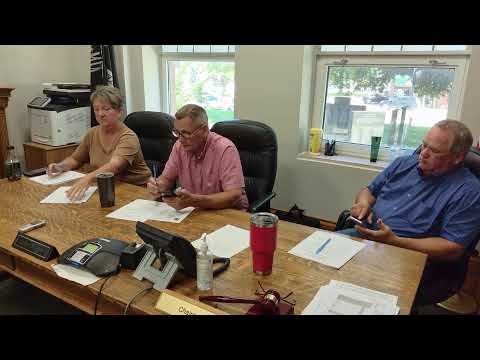
Contractor tells Winnebago supervisors broadcast spraying needed to tackle parsnip; board weighs budget options
Summary
A contractor who has operated roadside spraying programs described a mix of herbicides, residual expectations and costs, recommending broadcast spraying on high-traffic blacktop routes and a combined spot-spray/broadcast approach; the board discussed budget increases and next steps for targeted spraying.
A contractor who said he runs a custom spray business described the county’s invasive-weed problem, chemical mixes and operational choices for roadside treatment and told the Winnebago County Board the most effective approach would be to prioritize broadcast spraying on high-traffic blacktops while continuing spot spraying elsewhere.
"With the spot spray mix, we're hoping for three months," the presenter said, describing a TerraVue-based mix and a component he identified generically as MSM 60. He told supervisors that spot spraying will suppress germinated plants but will not kill seed in the ground and recommended August–September as the optimum window for broadcast work to attack rosette-stage plants.
The contractor offered rough cost and acreage figures: he estimated the county has roughly 5,600 acres of right-of-way to cover at full broadcast width (33–40 feet depending on equipment) and said full-broadcast operations would require many truckloads of water and substantially higher per-acre cost than spot-spraying. He recommended focusing on blacktop routes first to limit spread from high-traffic corridors and suggested a phased budget increase to expand broadcast work (examples in discussion included raising an illustrative budget from roughly $100,000 to $130,000–$140,000 to allow more broadcast coverage).
Supervisors and staff discussed operational constraints, including the limited label approvals that currently prevent routine herbicide application by drone and liability risks for unmanned systems near traffic and power poles. Board members asked for prioritized location lists from operators so contractors can target the worst road segments first.
Why this matters: Invasive species such as wild parsnip and thistles affect roadside safety, agricultural edges and maintenance costs. The board heard a practical, tradeoff-focused presentation about cost, timing and logistics and discussed funding and operational priorities.
Next steps: Staff and operators will work to identify the county’s worst corridors and provide a budget recommendation and prioritized plan for the board to consider.