Get Full Government Meeting Transcripts, Videos, & Alerts Forever!
Get email alerts on the Labor Negotiations topic
No spam. Unsubscribe anytime.
Hamilton K-12 negotiators reach tentative agreements on sick bank, probation and benefits language; insurance reopener debated
Summary
District and union negotiators tentatively agreed to several contract language changes — including a 45-day sick bank and preserving the $700 monthly district benefit contribution — while debating a reopener tied to insurance premium increases and proposed paid union days and holidays.
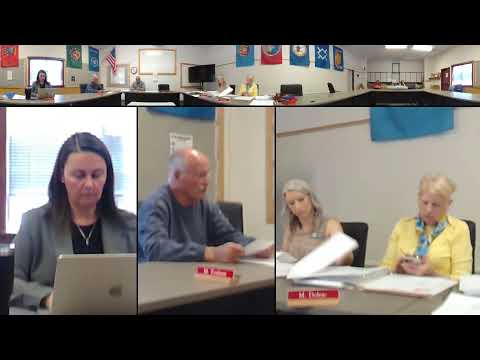
Agency official (S1) opened the public bargaining session on May 4 by reminding attendees the meeting was being recorded "in accordance with Montana law," and noting video and audio would be posted on the district website.
Negotiators spent the session reviewing multiple contract proposals. The parties said they have tentative agreements on Proposal 02/2005 (which affects the July probationary period) and on Articles 4.10 (expectation of duties) and 4.16 (overtime and weekends); those items were described as agreed pending a final signed copy at the meeting's end. "We'll sign that at the end of the meeting as well," the Agency official said.
The union negotiating team proposed revising Article 17 to set the sick bank at 45 calendar days for both initial hire and annual open enrollment. Agency official (S1) and negotiators noted a typographical reference that still showed 30 days and agreed the language should be corrected. Separately, the union withdrew the prior Article 17.9 repayment proposal and said it will substitute a simpler provision; the parties flagged one operational concern — what happens if a borrower cannot return to work — and agreed the replacement language will be circulated.
On benefits, negotiators confirmed the district contribution in Article 25.1 will remain $700 per month under the current contract language, with only contract years and dates updated. "So only the highlighted things are changed," one negotiator said; Agency official (S1) agreed that the dollar amount remains current.
The parties debated Proposal 3 (Article 3.6), which would extend the certified contract benefit of eight paid union duty days to classified staff. Agency official (S1) questioned whether eight days was too many for classified employees and suggested a smaller number; negotiators proposed splitting the difference and discussed a compromise in the range of three days to take back for consideration.
A key point of contention was an insurance reopener clause. The union proposed that if Bridge(d) Health Alliance premiums increase by more than 6% in a year, the parties would reconvene to renegotiate the district's contribution (currently $700/month). Negotiators and staff debated whether the trigger should use an average increase across all plans or be applied per plan, and whether the negotiations committee (rather than the insurance-selection committee) should handle reopener discussions. "If medical health insurance premium averages increase more than 6% in a year," one negotiator said, "then we would come back to the table and have a conversation." Staff cautioned that differential treatment by plan could raise equity issues.
Speakers clarified that the district contribution applies to pre-tax medical, vision and dental benefits and cannot cover post-tax ancillary products; those gap or ancillary products would remain employee-paid. The group agreed to refine the reopener language to make the trigger and responsible committee explicit and to return it at the next meeting.
Negotiators also proposed recognizing Montana-legal holidays (including Martin Luther King Jr. Day and Presidents' Day) as paid days under Article 21. Agency official (S1) said adding those holidays has "a financial liability for the district" given a declining general fund and recommended tabling holiday-pay decisions until the parties could review budget implications.
Before adjourning, the group agreed to update ground rules to allow submission of new financial proposals at the third meeting and to extend future bargaining sessions to two hours. They set a follow-up session for May 13 and planned to sign the tentatively agreed items at the end of the current meeting.
What happens next: negotiators will (1) finalize and circulate revised language for the withdrawn Article 17.9 and the insurance reopener; (2) correct typographical inconsistencies in the sick-bank text; and (3) bring the holiday-pay and any remaining financial proposals back for detailed budget review at a scheduled follow-up session.