Get Full Government Meeting Transcripts, Videos, & Alerts Forever!
Get email alerts on the Master Plan Housing topic
No spam. Unsubscribe anytime.
Keene staff report progress on master plan housing tools: cottage courts, ADUs and faster permitting
Summary
City planners updated the joint Planning Board and PLD Committee on implementation of the 2025 Comprehensive Master Plan housing strategies: a cottage court ordinance has produced 69 net new units so far, ADU rule changes produced a small number of units, and the city is deploying new permitting technology to speed housing work. Councilors asked for a dashboard tracking unit gains and losses.
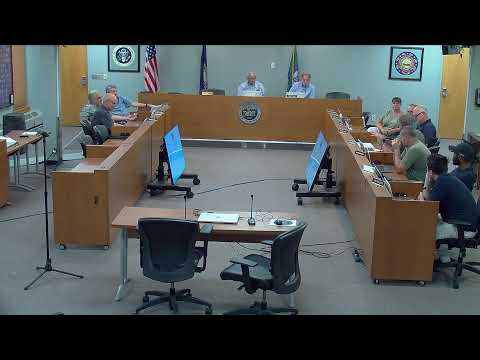
Community development staff told the joint Planning Board and PLD Committee that Keene is advancing several master‑plan housing strategies and related process improvements.
Evan Clements, planner and zoning administrator, highlighted zoning changes made since 2023 and called the cottage court ordinance — adopted in May 2024 — “probably the most impactful change” for near‑term unit production. Staff reported the planning board approved 107 cottage‑court units; 38 of those approvals subsequently revoked or expired, leaving a net 69 units added through the cottage court pathway so far. Clements and staff also said expanding where ADUs are allowed produced three new units since June 2023, and that reduced on‑site parking minimums were intended to support efficient, smaller housing types.
Staff described process and technology updates they say will reduce friction for applicants. The building division and development staff reported implementing the OpenGov platform for permitting and simultaneous plan review, enabling applicants to see real‑time status and to self‑schedule inspections. The building representative described OpenGov as “a great new technology,” and staff said the system has been live about four months; they expect better data collection and faster reviews as adoption continues.
Staff also described pilots for instant solar permitting (SolarAPP+) and automated approvals for routine oil/gas permits when guardrails are met to shorten turnaround times. Beyond permitting tools, staff discussed a proposed phased zoning‑map update (three‑year sequence beginning with housing/neighborhood nodes) and a continued interest in pursuing a 79‑E residential property revitalization option when program changes are favorable.
Councilors pressed for measurable outcomes: Councilor Williams asked for a master‑plan dashboard showing running totals of housing units (by type and by net change), and staff agreed the data is useful but noted some impacts are hard to quantify immediately and that outside consultant capacity or additional GIS staff may be needed for larger mapping projects.
What’s next: staff will continue phasing zoning‑map updates, develop public engagement materials for neighborhood nodes, monitor cottage‑court projects as they progress toward construction, and return to the committee with outreach and resource proposals; councilors recommended acceptance of the presentation as informational.