Get Full Government Meeting Transcripts, Videos, & Alerts Forever!
Get email alerts on the School Finance topic
No spam. Unsubscribe anytime.
Wa-Nee officials discuss up to $20.6 million in borrowing and say debt-service levy will be held steady
Summary
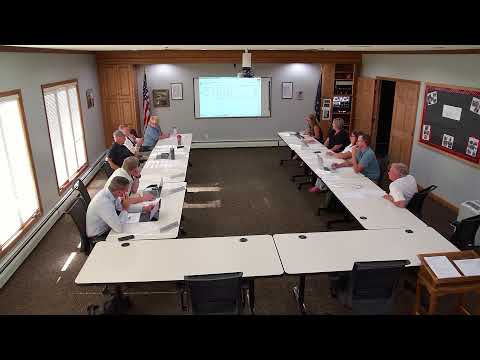
District presenter Lindsey told Wa-Nee Community Schools board members the district could seek about $20.6 million in borrowing, including a near-term $6 million issuance with first payments starting in 2027, and said the debt-service property-tax levy would not increase; the board also heard a midyear tax-receipt update.
At a Wa-Nee Community Schools finance discussion, presenter Lindsey outlined options for capital financing, saying the district could seek roughly $20.6 million in total approvals and that an initial $6,000,000 issuance is proposed with the first payment beginning in 2027.
Lindsey said the district already has some general-obligation debt but that, "their the payments do not increase above the credit level," adding that the "debt service property tax levy, that is being held. So that does not increase the current level." Board members asked whether the $6 million reflects near-term needs and how borrowing would be timed with projects.
A board member asked about the timing of needs over the next few years; Lindsey and the Chair said the district’s facility study is being used to schedule purchases and cautioned that bond proceeds typically must be spent within about three years, so borrowing should match projects that will be completed in that window. The Chair summarized that the district aims to avoid taking out more money than it can obligate within the allowable spending period.
Lindsey also reviewed debt-structure choices, noting that borrowing as general-obligation debt "is just that a quicker process to borrow and it's a little bit less expensive because you have less documents, less involvement for building corporation, lease documents," and said federal-obligation funding capacity grows to the extent the district can borrow as general obligation.
On the district’s cash flow, Lindsey said, "We received about 55% of, our anticipated tax, property tax for the year," and the Chair noted that routine debt-service payments do not require separate school-board approval.
No formal motions or votes on borrowing were recorded during the segments provided. The discussion concluded with board members indicating they would continue coordinating timing of projects and potential issuances with administration and the facility plan.