Get Full Government Meeting Transcripts, Videos, & Alerts Forever!
Get email alerts on the Local History topic
No spam. Unsubscribe anytime.
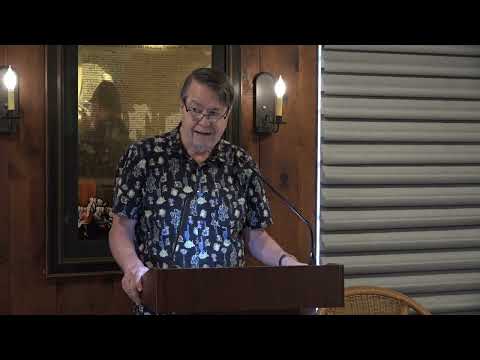
Reverend Jim Sherblum traces Concord’s history of exclusion and change
Summary
At a public lecture, Reverend Dr. Jim Sherblum reviewed Concord’s history from its 17th-century Puritan roots through slavery, abolitionist activity and 20th-century racial attitudes, arguing that cultural hierarchies shaped local institutions and noting upcoming talks in the series.
Reverend Dr. Jim Sherblum spoke to an audience in Concord about how the town’s history has been shaped by cultural hierarchies and exclusion. He traced developments from the Puritan founders’ narrow definitions of belonging to patterns of enslavement, land grants, and later debates over abolition and civil rights. Sherblum said the Puritans who settled Concord carried assumptions of Anglo-Saxon superiority that influenced property ownership, civic life and who could participate in town government. He described 17th- and 18th-century practices that treated enslaved people as property and recounted examples of local enslaved and freed Black residents, including Caesar Roberts and his descendants, whose family histories intersected with Concord’s development.
Sherblum reviewed 18th- and 19th-century institutions — town meetings, social circles of elites, and church regulations — that limited participation by women, Indigenous people and non‑WASP immigrants, and he cited episodes such as Concord’s role in King Philip’s War and the enlistment patterns of the Revolutionary War. He discussed the emergence of an elite social circle that coordinated local power and noted how economic incentives, including contracts to supply troops, influenced loyalties during the Revolution.
Turning to the 19th and early 20th centuries, Sherblum noted that Concord’s culture remained stratified even as abolitionist sentiment grew. He highlighted the Concord Female Anti‑Slavery Society and figures such as Susan Roberts Garrison while also noting racial purity laws and restrictions that limited migration and marriage for non‑white residents. He addressed scientific racism and eugenics’ influence in the town, including references to Louis Agassiz and the broader national movement. Sherblum said Klan activity and discriminatory school teachings persisted into the 20th century, and he argued socioeconomic and racial divides continue to affect Concord today.
Audience members asked about turning points and remedies; Sherblum pointed to transcendentalism and reform movements as partial shifts and announced the next lectures in the series (June 12 and July 2) and that books would be available after the talk. He closed by inviting questions and conversation and noting refreshments and book sales at the back of the room.