Get Full Government Meeting Transcripts, Videos, & Alerts Forever!
Get email alerts on the Transportation Safety topic
No spam. Unsubscribe anytime.
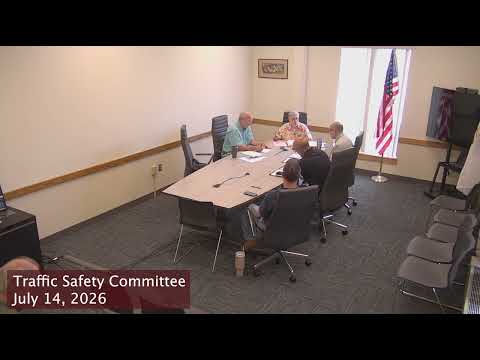
Traffic safety panel backs pursuing MassDOT TIP review for Queen Anne Road/Route 124 intersection
Summary
The Harwich Traffic Safety Committee agreed to pursue the MassDOT TIP process and gather crash and turning‑movement data to support potential full signalization or other engineering changes at the Queen Anne Road/Route 124 intersection, after reviewing a 2024 assessment and engineer recommendations.
The Harwich Traffic Safety Committee voted by consensus July 14 to pursue a TIP (Transportation Improvement Program) project for the Queen Anne Road and Route 124 intersection and to collect the traffic and crash data MassDOT requires for an application.
The action followed a presentation from the DPW deputy director (Speaker 2), who said MassDOT completed a 2024 assessment and that the town needs engineered plans, accident data and this fall’s traffic counts before a formal TIP application. “They said the next step would be to do some traffic counting and turning movements, which the commission will do for us in the fall,” the DPW deputy director said.
Why it matters: Committee members described the intersection as complex — with multiple approach directions and limited sight lines — and flagged recent collisions. The DPW deputy director told the meeting a fully engineered signalization could run in the neighborhood of $2 million to $3 million and that the town would likely be responsible for the engineering portion (commonly about 10–15% of the total). He advised collecting clear, documented crash and turning‑movement data to support a TIP request.
What the committee will do next: Members asked staff to: provide the accident data collected to date, run the fall traffic counts and turning‑movement studies, and prepare the documentation MassDOT needs. The Chair (Speaker 4) and the DPW deputy director agreed to notify the resident who requested action and to stress the multi‑year nature of TIP programming; the Chair noted TIP projects typically appear 5–7 years out on the schedule even after engineering work is completed.
Statements from the meeting: “I think it’s warranted,” the DPW deputy director said of pursuing the TIP route after reviewing the MassDOT assessment. The Chair added that even if a project is approved for the TIP list it may not be constructed for several years and urged staff to be clear with residents about timelines.
The committee recorded consensus in favor of advancing the study and preparing the TIP submission materials; members said they will reconvene on the data once traffic counts are complete.