Get Full Government Meeting Transcripts, Videos, & Alerts Forever!
Get email alerts on the Municipal Finance topic
No spam. Unsubscribe anytime.
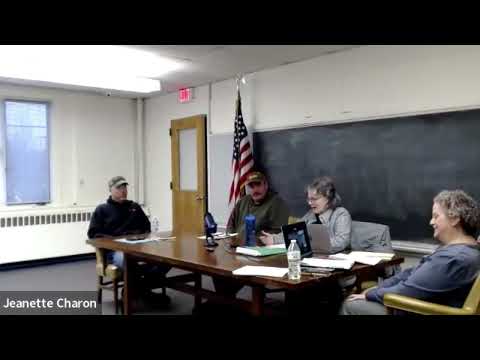
Dalton Select Board approves tax warrants, authorizes $200,000 CD and agrees to pursue bounced checks
Summary
The Dalton Select Board voted to sign timber and excavation tax warrants, authorized the treasurer to invest $200,000 in a six‑month CD at about 3.63% (3.7% yield), approved release of invoices responsive to a right‑to‑know request, and directed staff to pursue collection on several bounced checks.
The Dalton Select Board signed timber and excavation tax warrants and took a series of routine finance actions during its meeting.
Chair (S1) moved to approve and sign two timber tax warrants; the motion was seconded by Committee member (S3) and approved by voice vote. The board then approved and signed two excavation tax warrants after Tax Collector (S2) confirmed signatures were required on a second page.
Tax Collector (S2) briefed the board on a proposed treasury investment, saying, “we have the paperwork to move forward with investing $200,000 into a 6 month CD. It’s a 3.63% rate with a 3.7 yield.” Chair (S1) moved to authorize the treasurer to invest $200,000 in a six‑month certificate of deposit; Committee member (S3) seconded the motion and the board approved it.
On records and public‑records requests, the board reviewed invoices from the town’s outside counsel, Upton Hatfield, identified as a responsive set for a right‑to‑know (public‑records) request, and authorized their release. Chair (S1) moved to submit those invoices for the right‑to‑know request; the motion passed.
Tax Collector (S2) summarized the town’s approach to bounced checks and recommended the town pursue collection where people do not respond. S2 described the potential legal route and enforcement steps: “We sent it to the police. They’ve attempted to find the person… If we do that, then we have to prove to them that they’ve gotten notification… then they can pursue prosecution for the statute covering the issuance of bad checks.” S2 estimated some individual items (for example, a car‑registration check) were in the order of $150 and said small unpaid amounts can accumulate.
Chair (S1) moved that the town proceed with trying to collect outstanding bad‑check amounts; Committee member (S3) seconded and the motion carried. The board discussed practicalities of certified‑mail notification and trooper follow‑up for unresponsive accounts.
What’s next: The treasurer will proceed with the CD investment paperwork and the tax‑warrant pages will be signed. Staff will forward invoices responsive to the right‑to‑know request and proceed (through state troopers and, if necessary, prosecution) with collection efforts on long‑outstanding unpaid checks where people have not responded.