Get Full Government Meeting Transcripts, Videos, & Alerts Forever!
Get email alerts on the Ai Ordinance topic
No spam. Unsubscribe anytime.
North Adams delays 'SafeAI' ordinance to allow more committee review
Summary
The council postponed consideration of a proposed 'SafeAI' ordinance—intended to require human oversight and reporting for high‑risk municipal AI uses—until the second meeting in September after discussion about scope, training and police/water system implications.
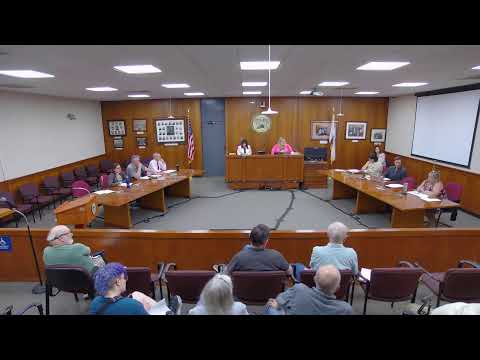
The North Adams City Council on July 14 voted to postpone action on a proposed ordinance called the "North Adams safeguards for artificial intelligence, fairness, and equity" (branded in the text as "SafeAI") to the council's second meeting in September.
The ordinance sponsor said the draft was circulated in advance to the mayor, the information technology director and police leadership, and described the text as a conversation starter that will require further committee work and language changes. "The language was crafted completely by me, but I did submit it to the administration in advance before coming here," the sponsor said. "They made no recommendations as to change language. They were in full support of what we... proposed." (Councilor/sponsor, speaker labeled in the record as Council President Shade.)
Councilors emphasized that the purpose of the ordinance is to preserve human accountability and oversight for any municipal use of AI. Councilors said proposed rules would treat uses that affect hiring, access to public services, policing or public‑safety infrastructure as "high risk," requiring oversight, reporting and the ability for an affected individual to request information about how the AI was used. "If you allow an AI system to make a decision for you, there's nobody to hold responsible if something goes wrong," the sponsor said. "It has to be a human being reviewing the information and making the final decisions." (Council President Shade.)
Several councilors and public commenters urged caution about AI bias, transparency and training. A resident who identified himself as Lou Gertje said AI systems can be biased and urged careful, transparent use if the city deploys such tools. Another councilor noted the ordinance is unique in the state and will need careful drafting to avoid unintentionally prohibiting legitimate operational uses that require rapid automated responses, such as certain water‑system controls.
The council voted to postpone the matter to allow additional review in committee and to give the sponsor time to revise the draft. The motion was approved by voice vote with no opposition recorded.
Next steps: the sponsor intends to continue committee deliberations and return a revised draft for council consideration in September.