Get Full Government Meeting Transcripts, Videos, & Alerts Forever!
Get email alerts on the Policy Governance topic
No spam. Unsubscribe anytime.
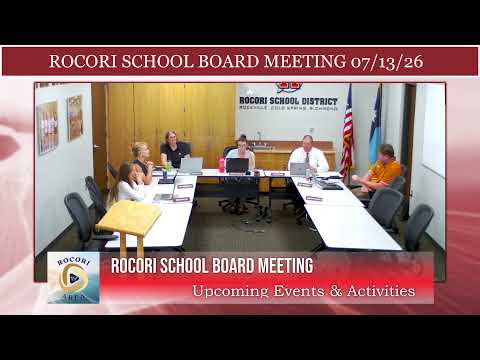
ROCORI board reviews AI responsible-use policy and debates consent-agenda public participation rules
Summary
Board heard a first reading of a responsible-use of artificial intelligence policy (based on an MSBA model policy) and debated changes to consent-agenda practice and public comment timing after earlier community concerns about a controversial consent vote; members weighed transparency and process changes and agreed to refine language and post materials earlier.
The ROCORI board on July 13 held a first reading of Policy 06/25, a responsible-use of artificial intelligence policy adapted from an MSBA model policy, and discussed proposed changes to how public comment and the consent agenda are handled.
Policy committee members said the draft policy aims to give teachers oversight of classroom AI use while allowing for specialized tools (for example, robotics or domain-specific AI) to be approved administratively. "MSBA has this model policy...it gives guidelines on use and the various grade levels," a committee presenter said. The board treated the draft as a first reading with a likely second and final reading at the next meeting.
Members also debated public participation and whether potentially controversial items should appear on the consent agenda. Several trustees said community members had little time to react to items posted three days before meetings, pointing to a recent incident in which hiring decisions prompted vocal public comment after votes. Others defended the consent process as ministerial and pointed out that any consent item may be pulled for discussion. Board members discussed posting consent-agenda details earlier on the district website, revising language to clarify that in-meeting public comment is not an opportunity to change a vote, and improving pathways for citizens to contact trustees before meetings.
Board members agreed to refine policy language and public-participation procedures; handbooks and other policy updates will be brought back for final approval at the next meeting.