Get Full Government Meeting Transcripts, Videos, & Alerts Forever!
Get email alerts on the Public Safety topic
No spam. Unsubscribe anytime.
Commission debates sheriff’s adoption of Effingham K‑9 and possible purchase of town vehicle
Summary
Sheriff Reschett told commissioners that a deputy from Effingham joined the sheriff’s department with a donated K‑9; commissioners and public commenters questioned ownership, vehicle costs (town’s vehicle estimate $40k–$50k), insurance/liability and whether the county should absorb resources previously intended for a town.
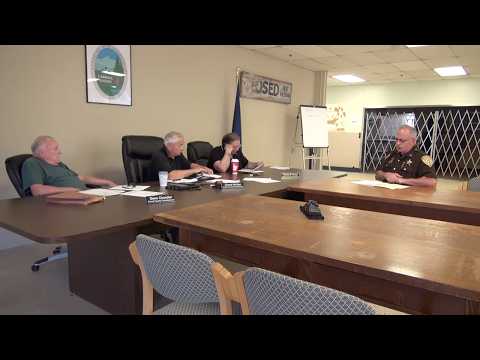
Sheriff Reschett briefed Carroll County commissioners July 13 on personnel changes that include a deputy who previously worked for Effingham and brought a donated K‑9 into county service. Reschett said the county had not sought to add an extra canine as a new resource but was proposing to adopt the Effingham canine for countywide use and, if possible, acquire Effingham’s K‑9 vehicle to avoid purchasing an additional vehicle next year.
Commissioners and multiple public commenters pressed for clarity on ownership and long‑term costs. One commissioner asked whether the county would be buying a second vehicle; Reschett said Effingham is considering options and the vehicle might be available for roughly $40,000 to $50,000, with two payments remaining. The sheriff explained the county’s rationale: as a county‑wide law enforcement agency, the sheriff’s department can make a K‑9 available beyond the small area where Effingham had previously used the dog. He also said some towns pay for patrol details (for example, a $90‑per‑hour detail that supplies a deputy and vehicle for local patrols).
Public comments raised liability and donor‑intent concerns. Fred Cain said he was a dog lover but questioned whether a dog donated to Effingham should now be redeployed by the county: “If I donated a dog for Effingham, I would expect the dog to stay in Effingham because that's what I donated the funds for.” Others asked about insurance exposure if a canine caused injury and urged a financial analysis of each town’s policing costs to determine whether towns are shifting costs to the county.
Commissioners noted the sheriff runs his department within his budget once approved, but some said they were not convinced the county needed two K‑9s and requested a final vehicle cost from Effingham before any purchase. The sheriff agreed to provide more information, including any written agreements for town detail coverage, and staff said they would look for existing contracts.
Next steps: sheriff to return with a firm vehicle cost and any existing written agreements; commissioners asked staff to confirm insurance implications and whether the Effingham donation included restrictions on the canine’s use.