Get Full Government Meeting Transcripts, Videos, & Alerts Forever!
Get email alerts on the Regional Recycling topic
No spam. Unsubscribe anytime.
Bethlehem officials pitch regional transfer station; Dalton board hears potential collaboration
Summary
Bethlehem presented plans for a new transfer station and recycling program, saying USDA discretionary funding and local reserves back the project and that operations could begin in mid‑2027; Dalton board members asked about permitting, power needs and possible ways to partner.
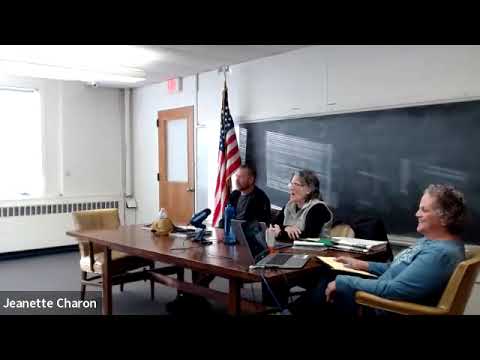
Bethlehem town administrator Mary Maritz told the Dalton board on Monday that Bethlehem plans to build a new transfer station that will include recycling and could potentially serve nearby towns, including Dalton, Whitefield and Littleton. "We hope to be fully operational by December 2026. Likely will not be until July of ’27-ish," Maritz said, adding that the schedule depends on permitting and grant administration.
The visit was an initial conversation about regionalizing recycling services. Maritz said Bethlehem received a USDA congressional discretionary spending award of $750,000 for the project and has set aside roughly $340,000 in local capital reserves; she described the grant paperwork as "a little bit challenging to administer through USDA." That funding, she said, would cover major capital costs but Bethlehem is also looking for smaller grants and local options to add three‑phase power or solar later.
Board members asked detailed questions about permitting, hauling and equipment. The Dalton chair asked whether Bethlehem had started DES permitting and whether the site had three‑phase power; Maritz replied the town is in early design and that the engineering firm working on the project will handle permitting. On power, Bethlehem said the site currently has single‑phase service and is considering compactors that can run on single‑phase as an interim solution while planning for future three‑phase connections and potential solar augmentation.
Committee members and Bethlehem representatives discussed where recyclable commodities would be sold and how a transfer‑station manager would monitor shifting markets. Maritz said the town has visited regional transfer stations — including Lancaster and Tri‑Town operations — and that the transfer‑station manager would be charged with securing buyers and adjusting operations as markets change.
The presentation also covered program design choices. Bethlehem is planning a pay‑as‑you‑throw program (bags sold at retail; a baseline bag price was discussed) and is exploring options for composting, textile collection and specialty drops such as Trex plastic‑film collections. "If we put a bin like that at the transfer station and they come and pick it up, you know, it'd be pretty good," Maritz said.
Maritz offered to share grant application materials and the town's conceptual plans so nearby communities would not have to "reinvent the wheel." Dalton committee members said they will exchange capacity and waste‑generation numbers with Bethlehem and keep lines of communication open as Bethlehem moves from conceptual design to permitting.
The exchange was framed as an exploratory, first conversation rather than a commitment. Board members did not take a formal vote on partnering; they asked Bethlehem to provide capacity figures and other technical details so Dalton can evaluate options.
What happens next: Bethlehem said it will share application documents and construction updates when available; Dalton’s transfer‑station committee will follow up and the two communities indicated they will meet again as planning progresses.