Get Full Government Meeting Transcripts, Videos, & Alerts Forever!
Get email alerts on the Business Regulation topic
No spam. Unsubscribe anytime.
Aldermen send secondhand-dealers overhaul back to committee after heated debate
Summary
After hours of debate and testimony from police and business owners, the Nashua Board of Aldermen voted to re‑refer an ordinance that would carve certain collectibles and specialty dealers out of the city's secondhand-dealer regulations so staff, police and business representatives can negotiate changes.
The Nashua Board of Aldermen on June 9 declined to adopt a contentious change to the city's secondhand-dealer rules, voting instead to send the ordinance back to the Personnel & Administrative Affairs Committee for further work.
The measure under discussion would narrow the city's definition of "secondhand dealers" to exempt certain specialty collectible businesses—such as trading‑card, comic and niche collectible shops—from regulations that now apply to pawnbrokers and other secondhand dealers, including a 30-day mandatory holding period and transaction reporting. Proponents, including the ordinance sponsor (identified in committee and on the floor), urged the change as a way to modernize rules and protect downtown brick-and-mortar businesses facing steep competition from online marketplaces.
"If we keep chasing and putting up barriers for brick-and-mortar businesses to exist, they're not going to be here," Alderman Morgan said, urging support for the measure and noting business owners' concerns about the financial impact of a 30-day hold.
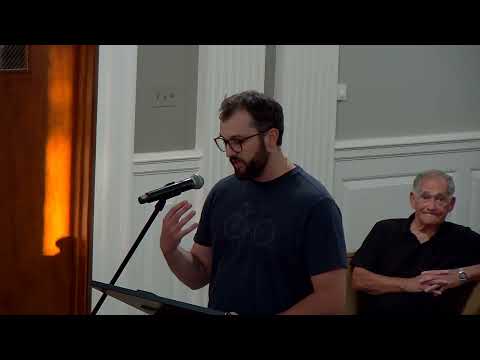
Opponents and police witnesses said the holding requirement and reporting tools are crucial to recovering stolen property and supporting investigations. Captain Clark Gephardt of the National Police Department said those reporting and hold rules provide a time window detectives rely on to locate stolen items and return them to victims.
"Without this requirement to report these transactions and hold the items temporarily, a critical investigatory window closes," Captain Gephardt testified, urging that the ordinance be revised rather than broadly exempting businesses.
Several aldermen urged compromise. Alderman Clemens and others said they support updating outdated provisions but that outright deregulation would remove important investigatory tools; Clemens proposed the item return to committee so police and business owners could craft middle-ground language. Alderman Kelly and other supporters countered that the committee had reviewed the issue and that many businesses had participated in drafting the proposal.
After extended floor discussion and a series of roll-call votes on competing motions, the board voted 8–6 to re-refer the ordinance to the Personnel & Administrative Affairs Committee so staff can work with the police department and affected businesses to produce a revised draft.
What happens next: The ordinance will return to committee, where aldermen said they expect to invite police, affected business owners and other stakeholders to negotiate language that balances investigatory needs with relief for specialty retailers.