Get Full Government Meeting Transcripts, Videos, & Alerts Forever!
Get email alerts on the Zoning Amendments topic
No spam. Unsubscribe anytime.
Cochise County supervisors begin rewrite of zoning rules to curb event-venue conversions after Ramsey Canyon fight
Summary
At a July 14 special meeting in Bisbee, Cochise County staff outlined draft zoning amendments to clarify bed-and-breakfasts, event venues, short-term rentals and related uses following disputes in Ramsey Canyon; the draft will go to the Planning & Zoning Commission for a September work session and an October public hearing.
Cochise County supervisors on July 14 heard a staff-led briefing on draft zoning amendments intended to prevent repeat occurrences of large commercial events and lodging uses emerging in residential areas — the changes stem in part from controversy over the Ramsey Canyon property.
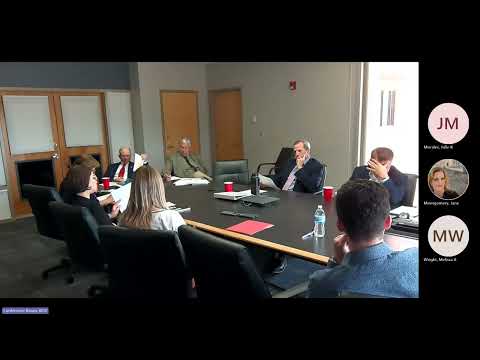
The board’s Chair opened the special meeting in Bisbee and, after a brief roll call, asked staff whether the discussion required an executive session; staff said the board could discuss the matter openly. A county presenter outlined a package of code changes to add clearer definitions for bed-and-breakfasts, event venues, guest lodging and group quarters, and to set where those uses are permitted or must be approved as special uses.
Why it matters: Residents and board members said past approvals or administrative gaps allowed a property in Ramsey Canyon to scale beyond neighbors’ expectations. “I’ve got a lot of emails about that. We don’t know what this means,” a committee member said, emphasizing constituents’ concerns about transparency and the potential for project "creep." Staff said the amendments aim to give neighbors and permit reviewers clearer rules to prevent that outcome.
What staff proposed: The presenter said the county would (1) add short-term-rental definitions to the zoning code so the county’s rules match state statutes, (2) define bed-and-breakfasts to require owner-occupancy and to exclude short-term rentals, and (3) create a distinct “event venue” use (for weddings, banquets and large gatherings) so those activities are not hidden as incidental uses of lodging. The presenter added that sites proposed as special uses could have explicit limits — for example, a cap on the number of rentable units authorized through a special-use permit.
On state law and case precedent: An agency official quoted state short-term-rental language, noting that the statute “does not include a unit that is used for any nonresidential use, including retail, restaurant, banquet space, event center, or another similar use,” and referenced the Keffner litigation as illustrating how courts have treated such exclusions. Staff said county language should be consistent with that statute when possible.
Enforcement and loopholes: The board discussed how a past proposal north of Benson used temporary-RV provisions to host large numbers of units seasonally (staff said the code allows temporary RV use up to six months per year in some circumstances). Board members urged that special-use authorizations include unit caps and clearer permit conditions to prevent owners from expanding operations without additional review. Staff reminded the board that code enforcement is complaint-driven, and that after administrative fines a case can be filed in superior court to obtain a recordable judgment against noncompliant properties.
Process and timeline: Staff proposed a Planning & Zoning Commission work session (likely September), followed by a redlined version and an officially noticed public hearing (likely October). If approved by P&Z and updated after public comment, the amendments would return to the board for final consideration in late October or November.
Other business: Board members also requested a summary of the county’s active claims and litigation. An agency official agreed to schedule a quarterly litigation update to provide the board with a running summary of condemnation actions, tax appeals and zoning cases.
Next step: Staff will bring the draft amendments to the Planning & Zoning Commission for a work session; the commission and public will have formal opportunities to comment before the board considers any ordinance changes.