Get Full Government Meeting Transcripts, Videos, & Alerts Forever!
Get email alerts on the Elections Settlement topic
No spam. Unsubscribe anytime.
Maricopa supervisors approve settlement with county recorder, fund new recorder IT system and split early‑voting duties
Summary
The Maricopa County Board of Supervisors voted 3–1 on July 14 to approve a settlement with Recorder Justin Heap that provides one‑time funding for a new recorder IT system, adds staff, and divides early‑voting and election‑day responsibilities between the recorder and the county.
The Maricopa County Board of Supervisors on July 14 approved a settlement with County Recorder Justin Heap that allocates one‑time funding for a new recorder information‑technology system, adds recorder staff, and formalizes a split of early‑voting responsibilities from election‑day duties.
The board voted 3–1, with Supervisor Gallardo voting no and District 1 Supervisor Stewart absent. Vice Chair Debbie Lesko moved approval and the clerk recorded the roll call: Supervisor Galvin—Aye; Vice Chair Lesko—Aye; Supervisor Gallardo—No; Chair Brophy McGee—Aye.
The agreement — described in open session by outside counsel Corey Langhofer — includes a package to allow the recorder to build a separate IT system, additional recorder IT positions and early‑voting staff, and operational rules dividing on‑the‑ground responsibilities. “You will give a total of $15,000,000 to the recorder’s office,” Langhofer told the board, summarizing the IT portion as a one‑time capital allocation to fund a recorder‑owned system while the county retains co‑ownership of the existing system until a new system is deployed.
County Manager Jen Pokorski summarized the budget actions the clerk read into the record as moves that reallocate county contingency funds into the recorder’s operating and capital budgets so the settlement can be implemented. Pokorski said the measures before the board included roughly $3.55 million in legislative funds for the IT project and roughly $2.4 million for staffing tied to the settlement; she and other presenters noted additional recurring staffing and facilities costs could appear on future agendas.
Under terms outlined by Langhofer, the recorder will be responsible for early voting and will receive equipment and staff to operate early‑voting sites. The county will retain emergency voting, election‑day voting, canvassing and tabulation duties. “Early voting will be truly the recorder’s. Emergency and election‑day voting will be truly yours,” Langhofer said, summarizing the operational split.
The settlement also calls for vacating prior orders in the litigation if certain conditions are met. Langhofer said the deal is contingent on the board’s approval of the budget adjustments and on a court order adopting the settlement; the parties will be required to dismiss the pending appeal. The settlement sets a special‑master process for future disputes, with Judge Christopher/Corey (transcript contains variant spellings) designated to serve in that role.
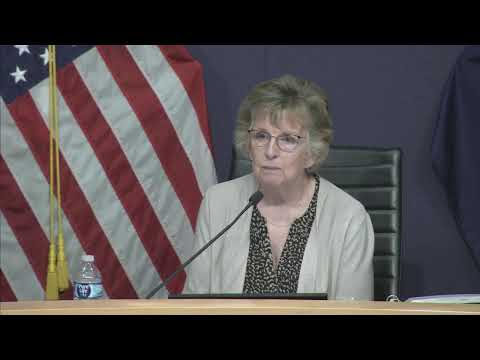
Vice Chair Debbie Lesko, who moved approval, told colleagues she believed the deal ends the litigation and benefits voters: “I believe this settlement agreement is a win for the recorder. I believe it’s a win for the Board of Supervisors. But most importantly, I believe it’s a win for Maricopa County voters.”
Supervisor Gallardo spoke at length in opposition, saying he was troubled that the recorder appeared to step back from a previously court‑approved “12 plan” and that the recorder’s office had staffed with political appointees rather than experienced elections professionals. “I don’t have confidence,” Gallardo said, adding he feared the office’s partisanship and predicted the recorder would return seeking more funds.
Board members praised the mediation work and staff effort in reaching the agreement. Langhofer said the parties spent intensive time in mediation and that the settlement is intended to remove the matter from continued court proceedings.
The board also approved a set of budget adjustments tied to the settlement in a separate vote earlier in the emergency session, including additions to the Recorder’s operating budget, transfers to a technology capital improvement fund, and line‑item adjustments the clerk described as having a countywide net impact of $0.
The chair closed the emergency meeting after members made their final remarks. The clerk had announced there would be no public participation during the special session.
What happens next: the settlement is contingent on the court entering an order adopting its terms and on administrative steps to implement the budget adjustments; the agreement also requires the parties to dismiss the pending appeal and uses a special‑master procedure for future disputes.