Get Full Government Meeting Transcripts, Videos, & Alerts Forever!
Get email alerts on the Planning Processes topic
No spam. Unsubscribe anytime.
Rancho Palos Verdes planning commissioners receive staff "nuts and bolts" training, elect vice chair and approve minutes
Summary
The Rancho Palos Verdes Planning Commission held an orientation and round‑robin staff training covering the general plan updates, view preservation rules, grading classifications and appeals procedures. The commission voted to elect a vice chair and voted to receive and file the staff report; prior minutes were approved with multiple abstentions.
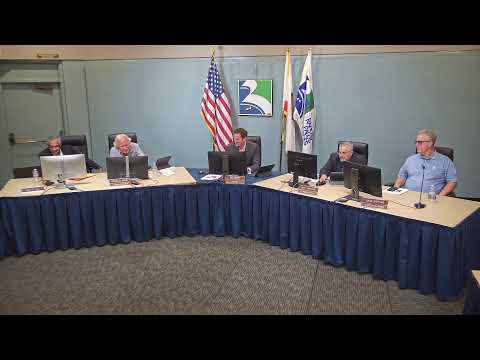
The Rancho Palos Verdes Planning Commission on July 14 received a multi‑staff “nuts and bolts” briefing from the Community Development Department covering how the commission reviews height variations, grading permits, view preservation and appeals, then voted to elect a vice chair and to receive and file the staff report.
Director of Community Development Randall Forbes opened the session by outlining the department’s organization and the items the Planning Commission most commonly reviews. "Tonight's presentation on the nuts and bolts training, we're gonna discuss the background about the community development department and some of the bigger projects that we are working on," Forbes said, urging commissioners to save the staff report and consult staff with questions.
Senior planner Amy Sarady summarized an update to the city's safety element, which staff is coordinating with the Palos Verdes Peninsula multi‑jurisdictional hazard mitigation plan. "The update...will be addressing hazards that are most relevant to Rancho Palos Verdes," Sarady said, listing earthquakes, landslides, wildfires, flooding and tsunamis as focal hazards. Staff plans to release a public draft for community review and eventually forward a recommendation to City Council for adoption.
Staff also reviewed how the city implements its voter‑approved view ordinance (Prop M, adopted 1989), and described the typical findings the commission must make on discretionary projects: consistency with the general plan, site suitability and impacts on public health and welfare. Assistant planner Miguel Garcia summarized the view ordinance and foliage analysis requirements, noting the code prohibits approving new livable area unless on‑site foliage above 16 feet that significantly impairs a protected view is addressed.
Technical and procedural points dominated the discussion: the presentation reiterated that a "buy‑right" height limit for many small residential projects is 16 feet, that height variation permits can allow up to 26 feet where findings are made, and that structures on sloping lots may be measured to 30 feet. Staff described grading thresholds that trigger Planning Commission review (major grading commonly exceeds 1,000 cubic yards; remedial grading over 5,000 cubic yards also comes to commission review). Jeffrey Kim, associate planner, summarized appeals rules and noted the FY2026 appeal fee the city is using.
Commissioners pressed staff on implementation details. One question focused on how site visits are scheduled and how to avoid Brown Act pitfalls when multiple commissioners view a property; staff advised using the interested parties list in the staff report to coordinate visits and to avoid discussing cases among commissioners outside public meetings. On privacy vs. view impacts, staff said photo documentation and story‑pole or silhouette imagery help commissioners assess whether proposed second stories or balconies materially impair neighbors’ viewing areas.
The commission moved and voted to receive and file the staff "nuts and bolts" report and training materials. The meeting record shows a nomination and a subsequent recorded voice vote selecting a vice chair; because the contemporaneous transcript shows inconsistent name rendering at the moment of announcement, staff records should be consulted for the formal appointment name. The consent minutes from the previous meeting were approved as the consent calendar item, with multiple commissioners abstaining because they had been absent from the prior meeting (the transcript records three recorded "yes" votes and four abstentions for the minutes approval).
Staff previewed upcoming items: committee and subcommittee appointments will be considered July 28; Brown Act and ex‑parte communications training is scheduled for the August 11 meeting. The meeting adjourned after the votes.
What happens next: staff will publish the public draft safety element and invite community review, and commissioners will receive more procedural training at the August meeting. For formal records of the vice chair election and the minutes approval, the city clerk’s certified meeting minutes should be consulted.