Get Full Government Meeting Transcripts, Videos, & Alerts Forever!
Get email alerts on the It Courtroom Av topic
No spam. Unsubscribe anytime.
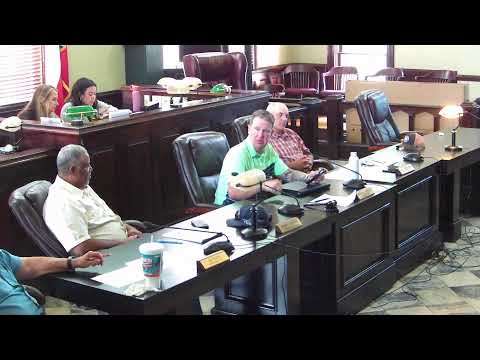
County considers $61,000 courtroom audiovisual upgrade and grapples with website accessibility costs
Summary
Erath County IT and facilities staff presented quotes for a courtroom audiovisual upgrade (~$61,000) to improve online streaming and accessibility while IT warned of additional website PDF‑remediation costs and flagged certain security cameras banned under state guidance.
County IT and facilities staff told the Commissioners Court on July 14 that improving courtroom audio and video quality and meeting web-accessibility requirements will require new funding and procurement decisions.
The presenter summarized competing bids and integration needs: "The total is gonna be right around $61,000," a staff member said when presenting a vendor quote that would add speakers, two cameras and screen integration so presentations can be viewed online. Commissioners discussed wireless microphones, moving cameras and whether the county should perform some work in-house or delay until technology or pricing changes.
IT lead Kobi Reynolds also warned that some security cameras currently in county facilities have been flagged by the state because they are manufactured by a Chinese vendor and must be replaced for government installations. "Those cameras have been banned by Texas government ... because it's a Chinese manufacturer," he said, and recommended transitioning to approved alternatives.
Reynolds outlined recurring costs tied to website maintenance and PDF accessibility remediation through CivicPlus and other vendors; he said PDF remediation can be expensive—"several hundred dollars per document" depending on complexity—and recommended budgeting for higher recurring site-maintenance and remediation costs or archiving older documents as an interim measure.
The court asked staff to return with refined quotes, options for phased implementation and potential grant or funding paths for technology and accessibility work. No formal procurement decisions were made in the workshop.