Get Full Government Meeting Transcripts, Videos, & Alerts Forever!
Get email alerts on the Immigration Enforcement topic
No spam. Unsubscribe anytime.
Kensington public meeting hears police outline of 287(g) MOA as residents warn of trust and liability risks
Summary
The police chief described a proposed Memorandum of Agreement (MOA) under the federal 287(g) program — training, a direct ICE contact line and possible grants — and emphasized the department has made no decision. Dozens of residents warned the move could damage trust and discourage people from calling police; the board said it sought more information before deciding.
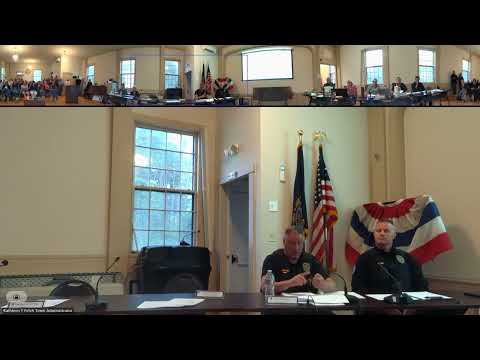
The Kensington Select Board opened a public session to hear the police department explain a possible partnership under the federal 287(g) framework and to gather community feedback.
The police chief described the MOA as a federal arrangement that can give local departments access to training, technology and reimbursement opportunities. He told the board the program can include equipment grants (the example cited was roughly $100,000 for equipment and about $7,500 potentially available per full‑time officer) and would create a 24/7 direct contact line with ICE for confirming detainers or custody decisions. The chief emphasized officers would continue to follow state and federal law and said the department had not decided whether to sign an MOA.
“At no circumstance would a Kensington police officer profile on immigration status,” the chief said, adding that the program would include training hours the department must meet and that the town could withdraw from participation if problems emerged. He also warned there are open questions about whether federal reimbursement would materialize in every case and said the town’s liability exposure needed further clarification.
Board members and staff pressed the chief on how detainers work, who would be eligible for grant funds and whether the town could be left paying training or other costs if reimbursements did not arrive. The chief said the MOA does not make officers ICE agents and said, in his account, ICE supervisors would handle final custody decisions in most cases; he also said some parts of the law create obligations for local agencies to cooperate.
Public comment filled the meeting’s remaining time. Residents described fear that any visible association with ICE would erode trust between immigrant and refugee community members and local police, preventing victims and witnesses from reporting crimes or seeking help. One resident said, “At this point any engagement at all with this organization and the ICE of today is not the ICE of 1987,” arguing the federal agency has changed in ways that make local partnerships risky. Another commenter pointed to MOA language they read as restrictive — citing sections tied to nondisclosure and to costs and expenses — and warned the town might remain financially liable in some circumstances.
Several residents urged alternatives to an MOA, including raising private funds, hiring grant writers or targeting other non‑controversial state or federal grants for training and equipment. Others acknowledged potential operational benefits from improved training and technology but said those gains needed to be weighed against the probable loss of community trust.
The Select Board did not take a vote or make a final decision at the meeting. The chief said he wanted to gather community input and additional clarifying information about specific MOA language, liability coverage and the mechanics of reimbursement before recommending a next step.
What happens next: the board and the chief said they will continue to collect questions from the public, pursue follow‑up conversations with agencies that have entered similar agreements, and return additional information to the community before any formal action.