Get Full Government Meeting Transcripts, Videos, & Alerts Forever!
Get email alerts on the Employee Benefits topic
No spam. Unsubscribe anytime.
Council hears presentation on 'Difference Card' alternative for employee health benefits
Summary
Vendors presented the Difference Card, a hybrid HRA product that would lower borough health‑benefit premiums by an estimated 14% in the first year; councilors and staff questioned risk exposure, enrollment, retiree coverage and union impacts and were told the program is voluntary and would require outreach and possibly a council resolution to proceed.
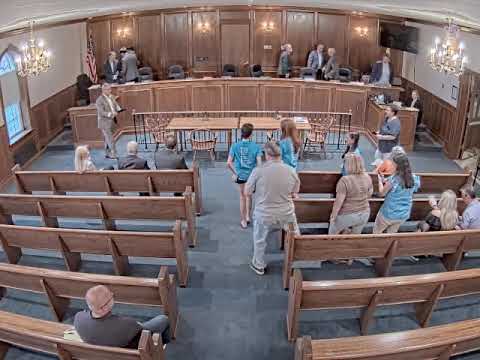
A vendor presentation at the Old Tappan mayor and council meeting on June 17 outlined the Difference Card, a hybrid employee‑benefit model the presenters say can lower municipal health‑insurance costs while preserving access to the state plan network.
John Glidden introduced the proposal, saying Old Tappan’s combined 2024 employee‑benefit cost is about $772,297 and that the borough could reduce total first‑year costs to roughly $660,000 — a 14% decrease — by moving members from the NJ 10 plan into a higher deductible plan and funding the difference through an HRA-style card. Glidden described a $2,500 one‑time implementation fee, a per‑enrolled‑employee fee (presenters referenced roughly $40 per month) and educational support for employee enrollment.
Council members questioned how claims volatility would be handled. Presenters said the program relies on statistical claims modeling, that the borough would underwrite the tail risk up to existing maximum out‑of‑pocket caps (presenters referenced a $7,500 family cap and $2,000 individual), and that the product remains voluntary and subject to union agreements. Jim Barca, who has helped other localities and identified himself as mayor of Norwood and an insurance professional, said he has used comparable programs and offered to assist with employee education and problem resolution.
Council members asked for follow‑up: presenters recommended a formal council resolution to proceed, meetings with police and DPW union leadership, educational seminars for employees and a recalculation once July 2025 state rates are released. No formal action was taken at the meeting; council members asked staff to return with more detailed enrollment, cost and implementation numbers before voting.
What the record shows: Projected first‑year premium costs presented by the vendor — $660,000 after claims assumptions — and vendor statements on fees and caps are from the presentation materials. Councilors emphasized the need for a break‑even and risk analysis and employee outreach before any decision.