Get Full Government Meeting Transcripts, Videos, & Alerts Forever!
Get email alerts on the Wastewater Rates topic
No spam. Unsubscribe anytime.
Shepherdsville staff warns loss of major customer will force sewer-rate hikes to fund $26M plant expansion
Summary
City staff told the council that a steep drop in industrial wastewater from a single large customer reduced sewer revenue by about $2 million annually; to finish a $26 million treatment-plant expansion the city says it needs $10 million in grants, subsidized loans and phased rate increases over three years.
City wastewater staff said the city faces a sudden revenue shortfall after a large industrial discharger sharply reduced its wastewater output and that the council must approve phased rate increases to finish a $26 million treatment-plant expansion.
The presenter said the project was advertised for bid in October and that construction is already mobilized. He told the council that one customer’s reduced discharge — described by staff as a change in operations at Jim Beam — would lower an annual sewer revenue stream from about $3,000,000 to about $1,000,000, leaving a roughly $2,000,000 annual gap.
The staff presentation laid out the project budget and financing: total cost about $26 million, roughly $10 million in non‑repayable grant funding, and the remainder through subsidized low‑interest loans. The presenter said the city successfully secured multiple grants (including an EDA award of about $6,000,000 and a Kentucky grant of roughly $3,300,000) and described loan rates near 2.5 percent.
To avoid default, staff proposed phased increases in the minimum sewer rate: about $2.35 per month this year, $2.58 next year and $3.00 in the third year. "$3 a month shouldn't be too much to ask for clean water," the presenter said, adding the utility is not for profit and exists to pay bills and protect waterways such as the Salt River.
Staff cautioned that failure to raise rates could lead to missed payments, a state takeover of the utility and potentially steeper emergency increases. "The more likely situation would be if we do not pass a rate increase and we start defaulting on any of our repayments that the state would come in and take over our utility," the presenter said.
Why it matters: The council must balance the financial burden on ratepayers — including residents on fixed incomes — against the legal and operational risks of underfunding a municipally run treatment system. Staff said failing to act now could jeopardize grant use and invite state intervention that would likely raise rates more sharply.
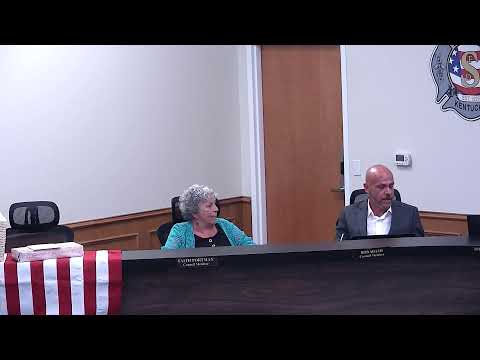
Council reaction and next steps: Council members asked for clarification of the multi‑year increase and several urged re‑taking the rate ordinance to preserve grant eligibility and avoid losing the city’s favorable loan terms. The staff speaker urged support and described the staff’s recent work to secure grant and loan packages. The item remained in discussion and council members asked that sewer rates be returned to a future agenda for further consideration.
Provenance: This article draws on the staff presentation and council discussion recorded at the start of the meeting (presentation began SEG 001 and continued through SEG 217).