Get Full Government Meeting Transcripts, Videos, & Alerts Forever!
Get email alerts on the Historic Preservation topic
No spam. Unsubscribe anytime.
Commission debates how to identify and protect historic stone walls after recent removal
Summary
Commissioners discussed a recent removal of a roadside stone wall and whether local regulations and enforcement need clearer language to protect historic walls, with staff noting subdivision rules already require mapping of stone walls and that public-works permits are required for work in rights-of-way.
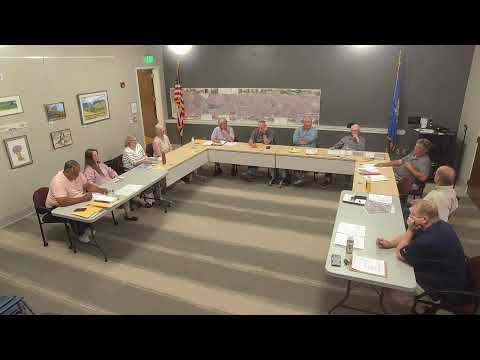
Commissioners spent part of the July 14 meeting discussing the recent removal of a long‑standing stone wall near Basin Falls and whether the town’s zoning and subdivision regulations give adequate local protection to historic stone walls.
A commissioner (speaker 7) described the removal and urged clearer rules: “Stonewalls that were existing in the town for many years… how do we determine which ones stay, which ones go, how do we work that language, and protect.” Another commissioner noted a state law exists that can impose fines for dismantling stone walls but said enforcement is inconsistent.
Staff (speaker 1) said subdivision regulations already require applicants to map stone walls, mature trees and other historic resources when they submit plans, and clarified the permitting process for work in town rights‑of‑way: “The rule is anytime you work within the town right away, you need to go to public works to get a permit.” That, staff said, was the permitting step that had not been followed in the recent incident.
Discussion covered whether the commission should adopt local language to identify roadside walls that merit protection (for example, walls within a visual buffer or entrance corridor) and how to balance property owners’ rights with preservation goals. Commissioners debated whether protections should focus on walls located along the road that contribute to the streetscape versus walls on private property or mid‑field boundaries.
No new regulation was adopted at the meeting. Commissioners asked staff to clarify which stone walls are already protected by state law, to provide examples of possible local protections and to consider revisions that would identify and protect prominent roadside walls (while noting enforcement often falls to public‑works or selectmen for walls in the town right‑of‑way).