Get Full Government Meeting Transcripts, Videos, & Alerts Forever!
Get email alerts on the Digital Identity topic
No spam. Unsubscribe anytime.
Committee debates VPN protections as digital‑identity proposals advance
Summary
Lawmakers debated whether state action to enable digital identity (Utah model) would curtail anonymous use of virtual private networks; tech witnesses recommended privacy‑preserving designs and zero‑knowledge proofs, and committee members agreed to keep the topic under review.
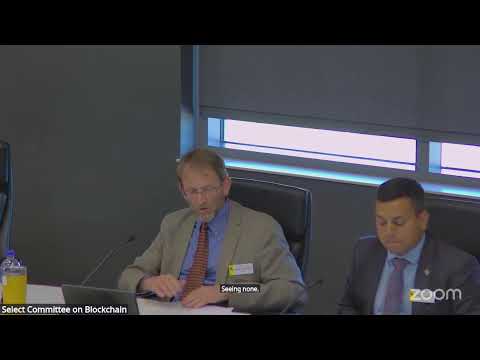
The select committee discussed the "right to use virtual private networks" as part of its personal data privacy work. Co‑chair (speaker 2) warned that while digital identity can aid authentication, some other states’ online‑age verification approaches have targeted VPNs and raised anonymity concerns; he called for care before adopting any Utah‑style model. "The ability to remain anonymous is essential in the United States," he said during the exchange.
Technical witnesses suggested ways to preserve anonymity while enabling trustworthy identity services. David Rowland of Advanced Intelligent Networks Corporation told the committee that self‑sovereign identity and zero‑knowledge proofs can meet age‑verification or credentialing needs without forcing wholesale loss of VPN anonymity. Brendan Maher, an MIT alumnus who participates in the committee’s working groups, recommended careful statute architecture and noted distributed ledgers and verifiable credentials can separate identity proofs from IP‑based location tracing.
Members said they would continue public input and study the tradeoffs: some senators expressed skepticism about pursuing aggressive restrictions on VPNs, while others suggested the idea could be taken as a personal bill if it proved politically difficult to move in committee. The committee did not refer any legislation on VPNs at this meeting but asked staff to keep the topic on the agenda while they refine the personal‑data and digital‑identity proposals.