Get Full Government Meeting Transcripts, Videos, & Alerts Forever!
Get email alerts on the Housing Shelter topic
No spam. Unsubscribe anytime.
Welfare officer urges New Ipswich to secure local shelter options and warming/cooling centers
Summary
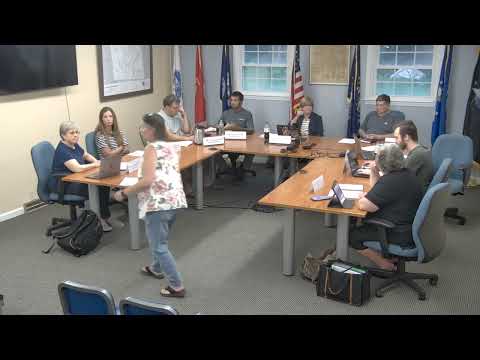
At the July 7 New Ipswich Planning Board meeting, welfare officer Carrie Traffy told the board there is ongoing need for local transitional housing and emergency warming/cooling centers and urged the town to pursue a guaranteed‑rent apartment and volunteer staffing plans.
Carrie Traffy, New Ipswich’s welfare officer, told the Planning Board on July 7 that housing scarcity and limited local emergency facilities are pushing residents into shelters in neighboring towns and that the town should consider developing local options.
“Shelter from the Storm would pay the landlord the rent… and then the town would sponsor them and pay the rest,” Traffy said, describing a model in which a regional nonprofit covers most rental costs and the town provides a sponsoring contribution so families can remain in the community.
Traffy said the region now has transitional‑housing capacity that helps families move to stable housing through case management: unit stays typically run eight to 10 months, case workers meet weekly and participants are expected to save roughly 30% of earned income toward a security deposit. She cited a nearby Catholic Charities development with about 11 income‑based apartments that has eased pressure in recent months.
The welfare officer also pressed the board to prepare for extreme‑weather responses. She described how neighboring congregational and United Methodist churches have hosted overnight cooling or warming centers using volunteer teams and said local volunteer recruitment and a generator were the key operational gaps. “Volunteers are the last thing; they need to be staffed,” she said.
Board members agreed the selectmen and emergency services should be looped into planning. The board asked staff to collect formal guidance and helpful contact names and to post links and instructions on the town website so residents and volunteers know where to turn in extreme weather.
Traffy recommended exploring a locally‑hosted apartment that Shelter from the Storm would case‑manage so families could remain in town for school and work. She said efforts to place New Ipswich residents in nearby transitional programs sometimes require busing children to school, and keeping placements local would reduce that burden.
The board did not vote on formal action; members asked staff to circulate the materials Traffy referenced and invited her back for a follow‑up report.