Get Full Government Meeting Transcripts, Videos, & Alerts Forever!
Get email alerts on the School Funding topic
No spam. Unsubscribe anytime.
Hamilton trustees weigh 10-year $500,000 technology levy and possible $250,000 safety measure
Summary
Hamilton K-12 Schools trustees discussed putting a 10-year, $500,000-per-year technology levy on the 2026 ballot and debated whether to add a $250,000 safety levy; trustees focused on messaging, levy duration and statutory ballot-language deadlines but took no formal vote.
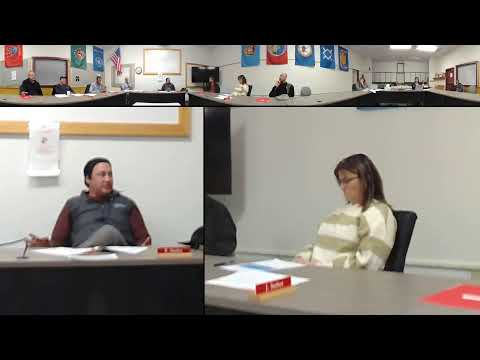
Hamilton K-12 Schools trustees spent much of a special meeting debating whether to place a 10-year, $500,000-per-year technology levy on the 2026 ballot and whether to pair it with a $250,000 safety levy.
The board heard a presentation from a district presenter who said technology-related costs have risen sharply and that a dedicated levy would protect classroom devices, subscriptions and building safety technology without squeezing general fund spending. “Each year, our general fund increased by 72% in technology expenses,” the Presenter said, adding that across all funds technology spending rose about 58% year-to-year. The presenter framed the request as an investment in teachers’ instructional tools and curriculum resources rather than a general operating increase.
Trustees pressed for details on taxpayer impact and calculation methods. The Presenter cited an OPI market-value table and said the district’s proposed $500,000 levy would equate to about $72.50 annually on a $600,000 home — roughly $6.04 per month — and explained that the table uses market value rather than taxable assessed value. Trustees asked that voter materials show both the annual and monthly equivalents to improve clarity for residents.
Board members and staff discussed levy duration and scale. The Presenter said the technology levy would run for 10 years (500,000 per year) and that a measured refresh strategy — replacing devices on a rotation instead of in large bulk purchases — could stretch the funds over many years. The Presenter also noted licensing and subscription costs (an example of recent Cisco licensing increases was discussed) as a principal driver of recurring expenses.
The meeting included a parallel discussion of a proposed $250,000 safety levy intended to fund facility safety upgrades and personnel supports. The Presenter said the district currently receives a federal grant that subsidizes two school-resource-officer positions but that the grant will not last indefinitely, creating a possible future cost pressure. The Presenter said both levies were being proposed but that technology would be the priority if the board narrows its options.
Trustees weighed electoral strategy and statutory timing. Administrative staff told the board it must call for the election and that it can amend levy amounts by February 24; ballots are scheduled to be certified on March 26, staff said. Trustees debated whether running both levies together could confuse voters or reduce passage chances and discussed staging the safety measure later if needed. The district’s absentee-ballot profile (staff cited roughly 8,226 active voters with about 5,836 absentee ballots in recent cycles) factored into timing and outreach considerations.
No formal vote was taken at the special meeting. Trustees asked staff to collect additional community feedback, refine messaging that ties levy dollars to specific purchases and programs, and return with a draft resolution for the board to act on at a future meeting ahead of the statutory amendment deadline.
The board publicly discussed comparative benchmarks, citing nearby districts’ technology funds and past local levy results, and emphasized clarity in voter-facing materials about what levy dollars would buy. The next steps are for staff to prepare a resolution and for trustees to decide whether to run one levy, both levies, or to stagger the proposals before the February amendment deadline.