Get Full Government Meeting Transcripts, Videos, & Alerts Forever!
Get email alerts on the Right To Cooling topic
No spam. Unsubscribe anytime.
Housing providers urge clearer funding and standards as Spokane considers right‑to‑cooling ordinance
Summary
Public commenters, including housing associations and local providers, told the council the proposed right‑to‑cooling ordinance has improved but still leaves unclear who is responsible for ownership, maintenance and reimbursement of portable cooling devices and that funding guarantees or clearer objective standards are needed before final adoption.
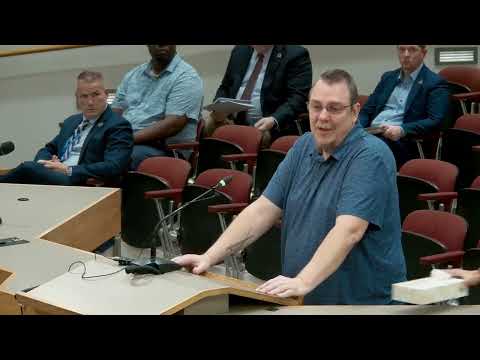
Public testimony at the Spokane City Council focused heavily on a proposed ordinance creating a "right to cooling" for residential tenants, with housing providers and advocacy groups urging clearer standards and funding before the council finalizes the measure.
Kevin Schilling, director of government affairs for the Rental Housing Association of Washington, said the ordinance "is not perfect, but is significantly more workable than where it began," while continuing to press for changes. He expressed concern about a subjective "adequate cooling" standard, the implementation timeline and the lack of guaranteed funding for electrical upgrades and capital work needed in Spokane’s older rental housing stock.
Representing multifamily owners, William Schneider of the Washington Multifamily Housing Association said the ordinance should "more clearly address ownership and responsibility for portable cooling devices" and urged rules that establish who maintains equipment installed under the ordinance and how compliance will be measured.
Libby Patton of Rockwood Property Management thanked the council for an amendment removing a mandatory cooling requirement for every bedroom but said a flexible definition of "adequate cooling" could force disputes and litigation because it depends on individual circumstances. "We simply need to know what we're being held accountable to," she said.
Other speakers during express testimony, including residents, urged passage on public‑health grounds: one commenter said vulnerable residents need protection as temperatures rise.
During the reading of proposed legislative items, the clerk announced ordinance C36877, the draft measure that would require adequate cooling by Jan. 1, 2031, and council members noted additional staff and stakeholder work is ongoing. Several speakers from housing and property management said they will continue consulting with council staff to provide model language and asked the city to coordinate funding with state programs, utilities and community partners.
Council did not take final action on the proposed ordinance that evening; further review and stakeholder negotiation were deferred, and council members indicated they expect additional technical amendments and funding discussions before a final vote.
Next steps noted on the record included continued stakeholder consultation and potential language clarifications to define compliance expectations and funding mechanisms.