Get Full Government Meeting Transcripts, Videos, & Alerts Forever!
Get email alerts on the Enhanced Wake Ordinance topic
No spam. Unsubscribe anytime.
Port Edwards commenters, including trustee, urge more data and question enforceability of proposed wake ordinance
Summary
Public commenters and a trustee told the Port Edwards Village Board they want concrete DNR and local data before an enhanced-wake ordinance is adopted, and a trustee warned enforcement could pit neighbors against one another and strain police resources.
A public commenter told the Port Edwards Village Board on Sept. 8 that the panel should not adopt an enhanced-wake ordinance without specific, local data from the DNR and the NEPCO Lake District, saying the committee had not yet received requested depth charts, shoreline photos or police reports connected to the initial complaint.
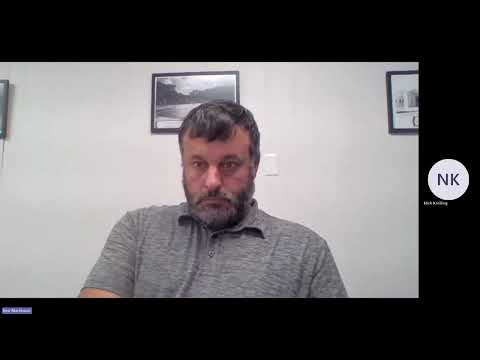
The comment came during the board’s public-comment period, when the board also heard from Trustee Nick Hummel, who said he is a member of the NEPCO Lake District board and denied a private resident’s allegation that he had operated his boat negligently over Labor Day weekend. “That is categorically false,” Hummel said. He asked how the village would enforce an ordinance when patrol boats are not available and warned, “Are we bringing community together or are we tearing community apart?”
The public commenter emphasized concerns about shoreline erosion, spread of invasive species and loss of aquatic vegetation and urged a “zero tolerance” standard for actions that increase those risks. The commenter said an earlier committee meeting (May 28) had requested NEPCO Lake District and DNR data and that key items had not been provided: “Has that specific information been shared? No. How about before-and-after pictures of shoreline damage or police reports of reckless behavior? No.” The commenter also summarized two recommendations he said were in a referenced study: that some boats operate only in 10-foot depths or greater and that wake-generating vessels operate in 20-foot depths or greater, while noting the study did not recommend a distance-to-shore requirement and that a Phase 3 study will address that question.
Board leadership and staff told speakers that the village does not have a formally drafted ordinance in force. A presiding official said the village has an example draft but that the board and committee have not voted on it. Trustees also said they planned outreach that evening to Saratoga to get feedback on the proposal and that no formal action would be taken at the Sept. 8 meeting.
Why it matters: The debate over an enhanced-wake ordinance involves competing priorities—protecting shoreline health and preventing invasive species while preserving recreational access and manageable enforcement. Trustees and residents asked the same central question: what local evidence and enforcement plan will support any new restrictions?
What happened at the meeting: The board approved its agenda and the Aug. 27 minutes at the start of the Sept. 8 meeting. During public comment, speakers sought additional data and clarity on enforcement and next steps; trustees said they would continue committee work and gather feedback before any formal drafting or vote.
Next steps: Trustees said they would solicit feedback from neighboring municipalities and continue committee review; the board did not schedule or take a vote on any ordinance at the Sept. 8 meeting.
Quotes: “Has that specific information been shared? No,” a public commenter said, describing requests for DNR and NEPCO Lake District data. Trustee Nick Hummel said, “That is categorically false,” in response to a private citizen’s accusation about his boat operation and later asked how enforcement would work when patrol boats are not available.
Meeting context and limits: The village’s discussion was limited to public comment and committee updates; board officials emphasized they do not yet have a finalized ordinance, and the comments reflect concerns, requests and denials recorded during the public-comment period rather than formal adopted policy.