Get Full Government Meeting Transcripts, Videos, & Alerts Forever!
Get email alerts on the Road Infrastructure topic
No spam. Unsubscribe anytime.
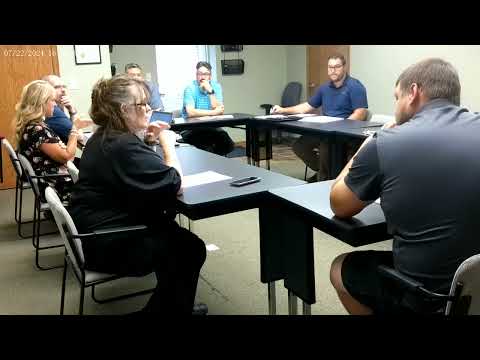
Montrose council workshop: staff flags $340,000 bond shortfall for 2024 road projects
Summary
City staff told the City of Montrose council at a July 22 workshop that bids for the 2024 Road Improvement Project came in but available bond proceeds and local aid likely leave a funding gap; councilors debated prioritizing Industrial Park, Pheasant Hills and Rockbrook and weighing assessments, bonds and timing.
City staff told the City of Montrose City Council at a July 22 workshop that bids for the 2024 Road Improvement Project were received July 9 and that available bond proceeds — roughly $340,000 — plus uncertain state local‑aid funds will likely leave the city short of the total needed to complete all planned streets.
The shortfall prompted council members and staff to debate which projects to advance first. A staff presenter said agreements for the Rockbrook project were circulating for resident signatures and, if returned signed, the project could be reimbursed by residents. Council members said Industrial Park, Pheasant Hills and older residential streets such as the ones identified in the city’s five‑year plan are competing priorities.
Why it matters: delaying routine maintenance such as sealcoating can increase long‑term costs by forcing mill‑and‑overlay repairs later, staff warned. One staff speaker noted that some bid items came in lower than last year — bituminous patching priced around $74 per ton this cycle versus about $89 per ton in 2023 — which eases pressure on some line items but does not close the overall gap.
Council members discussed several financing options: shifting or increasing bond issuances, using projected but uncertain state local‑aid (LGA) payments, dividing projects into phases, or assessing property owners for improvements. Staff cautioned that LGA amounts for 2025 remain unguaranteed and that resident assessments typically prompt strong public comment during hearings.
The workshop included operational details about scope: some streets require reclamation and storm‑sewer work rather than simple sealcoating, and staff recommended sealing within three to five years after reclaim work to preserve pavement life. A cited plan item, "Street reconstruction plan area 4," was noted with an estimated cost of about $543,000; council members said the city’s $5,800,000 bond issued in 2021 funded projects across 2021–25 and that projected costs have outpaced earlier estimates.
No formal motions or votes were taken during the workshop. Council members asked staff to return with quotes, refine prioritization and present funding scenarios that show the tradeoffs between assessments, bond timing and delaying specific streets. The council also discussed public outreach and the likelihood of resident pushback if assessments are proposed.