Get Full Government Meeting Transcripts, Videos, & Alerts Forever!
Get email alerts on the Utility Rates topic
No spam. Unsubscribe anytime.
Citizens Action Coalition: NIPSCO 'trackers,' misbilling and confidential data‑center deals have sent bills sharply higher
Summary
At a Gary City forum, Citizens Action Coalition blamed state law 'trackers,' private-equity structures and a NIPSCO metering error for large rate increases and urged regulators to require refunds and greater transparency.
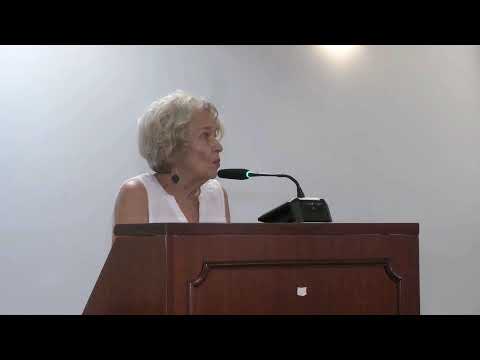
Citizens Action Coalition told a packed Gary City forum in July 2026 that a mix of state law changes and utility practices are driving an affordability crisis for NIPSCO customers and urged regulators to pursue refunds and stricter oversight. "Folks shouldn't have to choose between heating and eating," Kerwin Olsen, executive director of Citizens Action Coalition, said.
CAC pointed to statutes passed over the last two decades that allow utilities to collect costs outside traditional rate cases — commonly called 'trackers' — and to measures that limit the Indiana Utility Regulatory Commission's discretion. "These laws say the commission shall approve," Olsen said, arguing that mandatory language erodes regulators' ability to reject or trim utility spending requests. Olsen cited a regional transmission project that the presenters said had grown from about $350 million to approaching $700 million as an example of shifting risk into ratepayers' bills.
Ben Inskeep, the group's program director, presented data showing steep recent increases for NIPSCO customers: "in the past two years … a bill for 1,000 kilowatt hours of usage has increased by $83 per month between 2023 and 2025," he said, and he said natural‑gas bills rose about $36 per month over the same interval. Inskeep also described an ongoing Indiana Utility Regulatory Commission inquiry after NIPSCO disclosed that it had been mismeasuring natural gas consumption for "4,000 plus" households for a period of years; the mismeasurement, he said, resulted in customers being billed at least double what they consumed in some cases.
CAC urged the IURC and the Office of Utility Consumer Counselor, the public advocate, to pursue full refunds and to clamp down on opaque billing practices. Inskeep described the 'delivery charge' on bills as an opaque line item that bundles infrastructure, pipelines and other costs; he and Olsen said state law currently does not require a detailed breakdown that would let consumers see what each component covers.
The presenters also criticized private-equity investment and corporate structures that they say reduce ratepayer protections. Inskeep described a 'Genco' holding structure used to build generation serving data centers; he said that arrangement can keep new generation costs off utility rate bases while the utility remains the customer and that private investors such as Blackstone have stakes in the holding companies. "Those secret deals are creating a sweetheart arrangement for the data centers," Inskeep said, adding that public statements about credits to ratepayers should be scrutinized.
CAC said it will file testimony at the IURC in pending cases and is pursuing litigation in other states to reverse harmful cost recoveries. "Citizens Action Coalition is gonna be filing testimony soon, fighting for full refunds for ratepayers," Inskeep said. The group urged residents to attend public hearings and to support local resolutions calling for greater transparency and regulatory reform.
The forum included questions from council members and residents and a detailed discussion of how recent state laws — including those that allow project-development costs for small modular reactors and other 'shall approve' mandates — interact with utility rate proceedings. The IURC has opened investigations into the role of tracking mechanisms in the state's affordability crisis; CAC and local officials urged residents to follow commission proceedings and to submit comments.