Get Full Government Meeting Transcripts, Videos, & Alerts Forever!
Get email alerts on the Utility Merger topic
No spam. Unsubscribe anytime.
Public comments split as Montana PSC hears arguments for and against Northwestern–Black Hills merger
Summary
Business and local-government speakers told the Montana Public Service Commission the proposed Northwestern–Black Hills Energy merger would strengthen reliability and economic development; environmental and consumer advocates warned about large data-center plans, ratepayer exposure, and a lack of transparency.
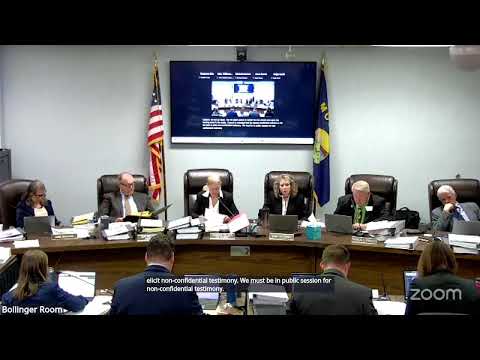
HELENA, Mont. — Public commenters at the Montana Public Service Commission’s May 13 hearing offered sharply divided views on the proposed merger of Northwestern Energy and Black Hills Energy.
Supporters from industry and local government told commissioners the merger would bolster reliability and investment capacity. Amelia Gilsdorf of the Montana Mining Association said the industry “depends on reliable and affordable energy” and that the merger “will strengthen Montana's energy system, support long term economic growth, and improve the utility's ability to maintain reliable and affordable electric service across the state.” John Williams, mayor of Colstrip, said Colstrip’s units “have long provided dependable around the clock baseload power” and argued the combined company would be better positioned to invest in transmission, generation and grid infrastructure.
Former state lawmaker Doug Carey urged approval on reliability grounds and pointed to a company proposal he described as a “large new load tariff,” which he said is “specifically designed to protect existing customers from cost shifting.” Business advocates in Butte, including Brian Sullivan and Kelly Sullivan, said the merger would strengthen the power supply needed for manufacturing and economic development in rural Montana.
Opponents and consumer groups focused on transparency, climate impacts and potential costs to ratepayers. Beth Taylor Wilson of Missoula linked the proposal to broader climate concerns and argued data centers powered by fossil-fueled generation would worsen emissions. Shannon James of the Montana Environmental Information Center urged the commission to “reject the proposed merger” until the public gets “full transparency about the company's plans for large scale data center development,” and asserted Northwestern has not provided meaningful information about “the 14 proposed data centers referenced in investor calls.” James also warned that executives stand to profit from the deal and cited an expected $13,000,000 payout to CEO Brian Byrd.
Other residents raised regulatory and ownership concerns. Helena resident Bob Jones called the proposal “a highly risky, potentially extremely costly course of action” because of regional regulatory differences and possible future moves to public ownership. Sydney Burgess reiterated consumer worries and cited reports of planned staff cuts as a reason for concern.
Commission Vice President Jennifer Fielder closed public comment after about 30 minutes and told attendees the commission would proceed with the evidentiary hearing and follow its procedural schedule.
What’s next: Commissioners resumed the evidentiary hearing after public comment. The record shows the commission later moved into a confidential session to question a witness about information the parties had designated protected; the commission paused the public feed and required nondisclosure agreements for those remaining for the confidential portion.