Get Full Government Meeting Transcripts, Videos, & Alerts Forever!
Get email alerts on the Social Services Contracts topic
No spam. Unsubscribe anytime.
Children and Youth administrator lists contracts; official says services are state-funded
Summary
The children and youth administrator presented a slate of service agreements — including solicitor services, Tuscarora Intermediate Unit programs, Perseus House residential placement rates, and a CUS data-sharing agreement — and said funding comes from the department's needs-based (state) budget; commissioners asked about county match requirements.
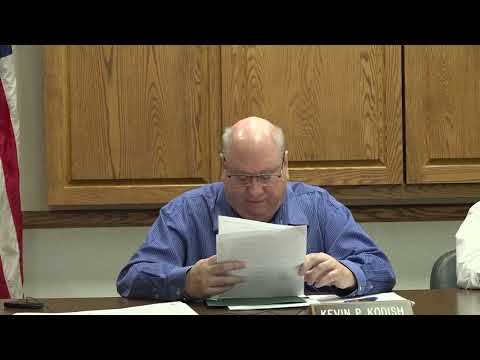
The Mifflin County children and youth administrator on Tuesday presented several proposed contracts and agreements for review, describing funding sources and program rates.
The administrator (speaker 10) listed solicitor services provided by Jacob W. Dubany at $85 per hour; Tuscarora Intermediate Unit contracts for multi-county "Communities That Care" services not to exceed $146,320 per year; second-step and life-skills programs with a not-to-exceed amount of $788,334.17 per year; and a parents-as-teachers program budgeted at $125,000. Perseus House was listed as a residential placement provider with rates ranging from $314.31 to $365.40 per day. The administrator also described a CUS data-sharing agreement to establish terms for exchanging welfare information with the county’s data solution.
Chair asked whether the funds require county matching. The administrator responded, "So they are in my needs based budget. So they come from the state," and clarified that match requirements depend on the specific program, noting that parents-as-teachers typically use Family First funding and do not require a county match in the administrator’s description.
Commissioners asked follow-up questions about which services are pass-through and which require county oversight; the administrator said the CDBG/CTC funds are generally pass-through and that programs provide prevention and school-based services.
The presentation recorded in the transcript did not include a formal motion or recorded vote to authorize each listed contract during the segment provided; the items were presented for signature, approval or future action as part of the children and youth agenda. The board has previously approved program providers in earlier agenda cycles and staff indicated standard contracting steps remain to finalize agreements.