Get Full Government Meeting Transcripts, Videos, & Alerts Forever!
Get email alerts on the Transit topic
No spam. Unsubscribe anytime.
Wayne County transit official outlines service expansions; Livonia residents press for better off‑city and late‑night rides
Summary
SMART’s deputy COO told Livonia council the county millage would expand fixed routes and on‑demand services and warned SMART could stop operating in Wayne County if the measure fails. Residents pressed the city to improve Live and Go service hours and questioned whether proposed routes will serve all neighborhoods.
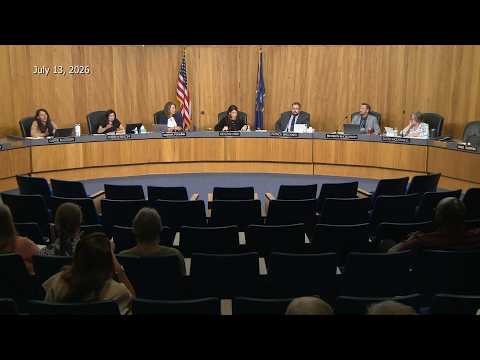
Harmony Lloyd, deputy general manager and COO of the Suburban Mobility Authority for Regional Transportation (SMART), told the Livonia City Council on July 13 that a proposed county transit millage would bring expanded fixed‑route service on major corridors and more on‑demand options for older adults and riders with disabilities.
"If the millages improve, Livonia will see a significant increase in transit service," Lloyd said, outlining planned fixed routes along 7 Mile, Plymouth, Haggerty and Middlebelt and an expansion of Smart Connector curb‑to‑curb service. She also said the partnership would give the city access to the Via scheduling platform used by SMART, which she said is expected to save the city about $100,000 a year.
Why it matters: the proposed county millage would reshape how many Livonia residents get to work, medical appointments and neighboring Oakland County communities. Lloyd cautioned that the millage’s fate is consequential: "If the Smart Millage does not pass, Smart will no longer be able to operate any transit service in Wayne County." That claim framed much of the public comment that followed.
Residents at the meeting urged more direct help for people who cannot drive. Kimberly Snager said she had to board the city’s transportation service at 6 a.m. to reach the 7 p.m. council meeting and that she was often the final ride of the night. "We need transportation alongside our city transportation because we need to be able to go outside the city and enjoy what's what other communities are partaking in," Snager said, and asked for later‑hour options so she would not need to rely on family.
Other commenters and council members pressed for clearer service hours for Live and Go, the city’s on‑demand program that currently receives SMART support. At the meeting, a resident warned that Live and Go’s limited hours can leave riders stranded after evening events; Lloyd’s presentation said the millage would expand support and coordination between SMART’s flex service and Live and Go.
Council context: councilmembers discussed three related millages at a recent coffee hour, according to Councilwoman Carrie Budzinski, and encouraged residents to review materials posted online. Council actions at the July 13 meeting were primarily informational on transit; no city policy was adopted at the session.
What’s next: county and local outreach around the transit millage will continue ahead of the August 4 primary; Lloyd’s remarks and the residents’ testimony underscore local questions about service hours, routing and whether proposed improvements will reach people who rely on late‑night or cross‑jurisdiction trips.