Get Full Government Meeting Transcripts, Videos, & Alerts Forever!
Get email alerts on the Water System Management topic
No spam. Unsubscribe anytime.
Ste. Genevieve City to draft ordinance after audit finds large water losses tied to vacant meters
Summary
Council heard an internal audit showing substantial unaccounted-for water loss and directed staff to draft an ordinance clarifying service-line ownership, requiring demolition/abandonment of permanently vacant services, and setting a uniform base fee to protect bond covenants and cover system costs.
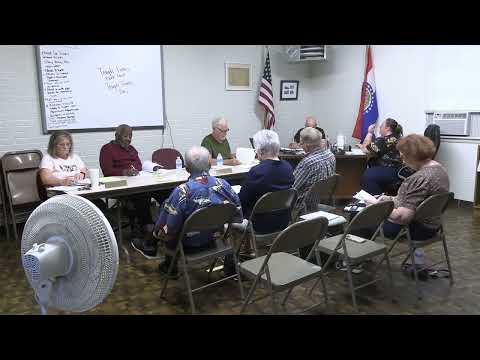
A council work session will be scheduled to draft an ordinance after Ste. Genevieve City officials presented an internal audit showing substantial unaccounted-for water loss tied to vacant or unmanaged meters.
The presiding official and technical staff said the city is losing significant volumes of water that are being charged to the city by the wholesale water district, creating a budget shortfall and jeopardizing the revenue expectations under the city’s USDA-backed bond covenant. An agency official summarized the audit’s finding, saying the apparent losses “are basically 95% of water loss for the whole year” for the segments measured, and urged consistent accounting.
Council members and staff discussed three main policy changes: clarify whether the service line ownership ends at the meter or the property line; require a demolition/abandonment process so service lines that will never be reused are physically cut back to the main; and set a uniform base fee so every active meter contributes the fixed revenue that supports bond payments and system maintenance. Staff reported about 80 meter connections had already been flagged for follow-up.
Officials said vacant meters and long‑unreported leaks inflate the city’s billed volumes from the district yet reduce collected base fees. A committee member summarized the concern: without fixing vacant meters and aligning billed gallons to district charges, the city must either raise rates or risk bond covenant noncompliance.
Council directed staff and technical advisors to draft ordinance language that would (1) define ownership and responsibility for service lines, (2) implement a demolition/abandonment procedure tied to property changes, (3) standardize service-line specifications going forward, and (4) require a base fee on active meters. The ordinance will include a multi‑year implementation plan and a budget line for repair work.
The body voted to convene a work session focused on drafting the ordinance and instructed staff to return with specific language, cost estimates and a proposed implementation timeline.