Get Full Government Meeting Transcripts, Videos, & Alerts Forever!
Get email alerts on the Opioid Crisis topic
No spam. Unsubscribe anytime.
Residents, advocates and a state senator press for more resources at Bronx opioid town hall
Summary
Community boards 5 and 7 convened a town hall at the Bronx Library Center where panelists, local organizations and residents described stigma-driven policy barriers, called for more harm-reduction services and shared personal accounts of fentanyl exposure.
BRONX — Community boards 5 and 7 hosted a joint town hall at the Bronx Library Center to address the opioid crisis affecting neighborhoods across the borough, organizers said.
Panelists from local advocacy groups — including representatives from the Drug Policy Alliance, OnPoint NYC, Friends of EchoPark and the Department of Health — and State Senator Gustavo Rivera attended to speak with residents about prevention, public drug use and service coordination.
A presenter on the panel said, "There is still a deep stigma that is attached to drug use and addiction. And, a lot of the policy that we've had in place, that we still have in place in a lot of ways, is based around that." The panelist urged reframing people who use drugs as "people first" and said stigma makes it difficult to site needed facilities and services in neighborhoods.
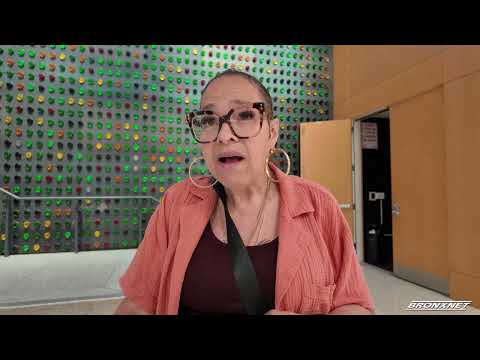
Residents described the toll of addiction on families. Marlene Jimenez, who organizers identified as a member of the audience, described finding her son after he had been exposed to fentanyl: "My son was just recently laced behind the fentanyl. It's so hard for me to talk about it because I found him." She said the experience motivated her to advocate for youth and to "be his voice."
Organizers and attendees emphasized the multi-generational effects of the crisis and the need for both immediate harm-reduction measures and longer-term prevention and recovery resources. One attendee said she came to the forum "to see what my community was doing for the crisis that we are experiencing and also to, I suppose, just connect heart to heart with my neighbors." Another speaker echoed the focus on advocating for local youth.
The forum closed with a direct call to action: organizers reminded attendees to contact local elected officials and community board members to press for sustained attention and resources. The meeting ended without formal votes or motions; participants were encouraged to continue outreach to policymakers and service providers.
Organizers did not announce new funding or formal policy changes at the event. The town hall served as a public listening session and opportunity for residents and advocates to describe needs, share personal experiences and request follow-up from elected officials and agencies.