Get Full Government Meeting Transcripts, Videos, & Alerts Forever!
Get email alerts on the Wrda 2026 topic
No spam. Unsubscribe anytime.
Lawmaker urges House to pass Water Resources Development Act of 2026
Summary
A lawmaker urged colleagues to pass the Water Resources Development Act of 2026, saying the bipartisan bill authorizes 10 pending projects, more than $6 billion in new environmental infrastructure authorities, and expanded studies and technical assistance to bolster resilience and local water systems.
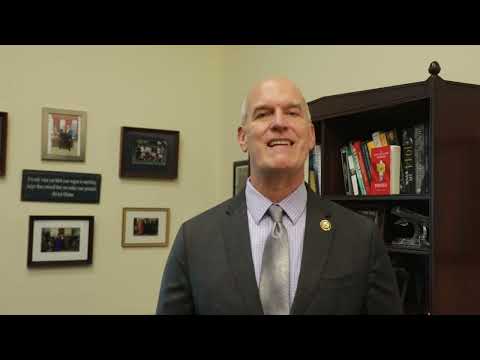
A lawmaker (S1) urged colleagues to pass the Water Resources Development Act of 2026, calling it "a bipartisan bill that addresses local water resources needs across the country" and saying it reflects input from nearly 300 House members and numerous local stakeholders.
The lawmaker said WRDA 2026 "authorizes the construction of 10 pending projects and provides over $6,000,000,000 in new and modified environmental infrastructure authorities" to address water and wastewater needs. "The bill also authorizes over 100 new feasibility studies to initiate future water resource development projects and another 24 studies to modify existing projects," the lawmaker added.
Why it matters: supporters say the bill combines project authorizations, funding and technical assistance aimed at helping communities complete works more efficiently and at greater resilience. The lawmaker described three goals set at the start of the year — following regular bipartisan order, addressing affordability, and enhancing resiliency across U.S. Army Corps of Engineers infrastructure — and said WRDA 2026 meets those objectives.
The speech laid out programmatic changes and supports included in the bill. According to the lawmaker, WRDA 2026 expands technical support through an Office of Technical Assistance and Community Outreach to help communities navigate Corps processes and ensure existing assistance programs are implemented effectively. The lawmaker said changes to the feasibility study process would "put [communities] in the driver's seat to address their specific needs and priorities without unnecessarily constraining timelines or impacting projects." (S1)
On climate and coastal measures, the lawmaker said the bill develops tools to address drought resilience, combat harmful algal blooms and assess wildfire risk. The bill also "recognizes how reusing dredged materials can be a common sense solution for coastal communities" and encourages local partnerships with the Corps to ensure levees and other flood-risk reduction infrastructure "are ready for bigger storms and higher water levels." (S1)
Local example: the lawmaker noted their Washington state district suffered devastating flooding last year and said WRDA 2026 takes steps to address long-term flood concerns and "supports habitat restoration in the Puget Sound," enabling continued Corps partnerships to protect natural resources. (S1)
Economic case: the lawmaker said the bill supports economic growth by investing in projects that create jobs, bolster local economies and strengthen U.S. competitiveness and supply chains, adding that sustained federal investment and harbor deepening will help ports accommodate the world's largest ships. (S1)
The speech concluded with a procedural appeal: the lawmaker thanked "chairman Sam Graves, subcommittee chair Collins, and subcommittee ranking member Wilson" for their work on the bill and urged colleagues to support the legislation as it moves through the U.S. House of Representatives. (S1)
No formal vote or motion was recorded in the remarks; the lawmaker framed the statements as an appeal for support and collaboration as the bill proceeds through House consideration.