Get Full Government Meeting Transcripts, Videos, & Alerts Forever!
Get email alerts on the Investments topic
No spam. Unsubscribe anytime.
JAL Public Schools board weighs hiring fiduciary manager over broker for $50–60M in encumbered funds
Summary
The JAL Public Schools board held a special meeting to review two investment‑service presentations and to decide whether to engage a fiduciary manager (UBS was discussed) or a broker model. Board members emphasized protecting roughly $50–60 million in encumbered funds, auditor concerns and transparency around fees and execution.
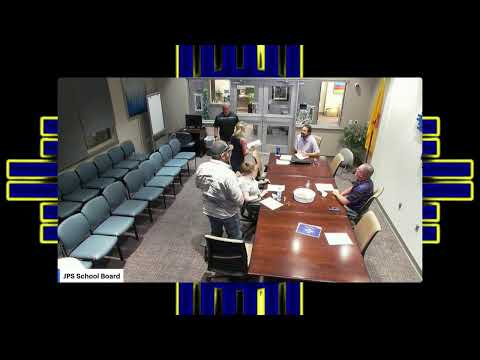
The JAL Public Schools board on a special virtual meeting discussed whether to hire a fiduciary investment manager or work with a broker to invest about $50–60 million the district currently holds in sweep accounts.
Jim Das, president of the board, told the meeting the district has “about 50 to 60,000,000” in encumbered funds that are sitting idle and that auditors had raised concerns about the district’s cash collateral and exposure. He said the board’s top priorities are securing those balances and earning a return while preserving liquidity for project draw schedules.
Presenters at the meeting described two models. One presenter described a broker/suitability model that typically receives selling concessions from banks on brokered CDs and relies on transaction‑based compensation; the same presenter said the firm follows FINRA suitability rules and state statutes that limit what public entities can buy. Another presenter described a fiduciary/managed‑account model and said the firm would operate under an investment‑advisor standard, charging an all‑in management fee rather than transaction commissions.
“We bandied around a lot of different numbers…but I’m in the neighborhood of 20 basis points,” a presenter said when describing a fiduciary fee, adding that the fee would be assessed monthly and cover trading, reporting and portfolio servicing.
Board members asked how the district would know whether the price, yield or commission on a secondary‑market purchase was transparent. Presenters said that confirmations and monthly statements would report the execution price and the district could compare quoted yields against public treasury benchmarks.
The discussion repeatedly returned to two trade‑offs: whether the district preferred a broker’s transaction model (selling concessions and possible commission built into secondary trades) or a fiduciary manager that would have a legal duty to act in the district’s best interest and be paid a recurring fee. Several board members said the fiduciary standard and the single‑point, discretionary management model appealed to them because it aligns incentives and provides ongoing monitoring.
The board also discussed next steps: staff will follow up with the firms, coordinate with the district’s finance staff and bonding counsel, and attempt to reconvene or re‑invite presenters in a short time window so the board can ask follow‑up questions. A board member moved “that we go on the PDF,” and members expressed assent; the transcript records discussion of moving forward but does not record a formal roll‑call vote.
The board said it will also confirm statutory limits and the practical mechanics of investing encumbered funds (draw schedules, maturities and liquidity) before taking a final vote. A final decision timeline was not specified in the transcript; board members noted the next fiscal year begins July 1 and that staff should coordinate timing with that budget cycle.
The board’s conversation emphasized fiduciary duty, transparency and the operational question of who will service and report on investments. The presenters acknowledged state statutory limits on permissible investments for New Mexico public entities and described commonly used, permissible instruments such as U.S. government securities, agency paper and FDIC‑insured brokered CDs.
The board paused for follow‑up: staff were instructed to reach back to presenters and return with clarifying materials and fee schedules for the board’s consideration.