Get Full Government Meeting Transcripts, Videos, & Alerts Forever!
Get email alerts on the Buyout Program topic
No spam. Unsubscribe anytime.
County outlines $235 million NRCS buyout program for flood‑prone properties; public sign‑up March 25
Summary
County officials told the Ruidoso Downs council they secured $235,000,000 in funding for a buyout program with a 75/25 NRCS-to-local match, announced a public rollout and sign‑ups on March 25, and described appraisal, offer and permanent green‑space restrictions for purchased properties.
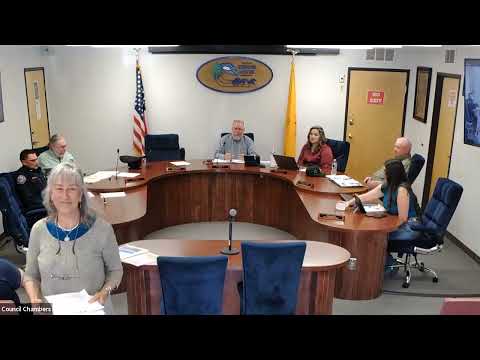
Jason Burns, a county presenter, told the council the county had secured $235,000,000 in funding for a property buyout program intended to remove high‑risk structures and preserve land as green space.
Burns said the program is a 75/25 match with the Natural Resources Conservation Service (NRCS) and that the county will act as administrator and flow funds through the program. He announced an official public meeting and sign‑up event on Wednesday, March 25 at 5 p.m. and distributed informational flyers.
Why it matters: the program is targeted at properties affected by recent flooding and is intended to reduce future flood risk by buying vulnerable parcels, removing structures and restoring sites for permanent open space. Burns said the program prioritizes residential properties that lack habitable structures and that enrollment will be handled on a first‑come, first‑served basis.
Burns outlined the process: an expression of interest, property review and eligibility check conducted by county and NRCS staff, followed by an appraisal and an offer to the landowner. "At that point, we'll make an offer to [the] landowner and allow the landowner to make a decision," Burns said. He added that if owners accept the offer, the county will close and then remove any structures on the parcel.
Councilors asked practical questions about appraisals, mortgages and insurance. Burns said appraisals will use a pre‑event baseline (he cited March 2024) and explained the county will not duplicate insurance or FEMA payouts: "If someone has [received] insurance, that would be deducted from the price that's on your assessment," he said, and staff will work with banks where necessary to clear liens and transfer balances. He also confirmed the county will not duplicate prior FEMA assistance.
Burns described restrictions that will run with the land after purchase: properties bought through the program will be preserved as green space and may include small walkways but cannot be redeveloped for other uses. "There are restrictions on this…that it will remain green space, forevermore," he said.
On timing, Burns said the county aims to move quickly on appraisals, title work and closings so that at‑risk properties can be cleared before the next monsoon season. He acknowledged challenges around appraisal and title work but emphasized urgency: "This is gonna be your best shot to get a good offer," he said, urging owners to sign up.
The presenter said the program uses updated hydrology/hydraulics studies to set priority tiers and offered to share non‑confidential maps with the council for planning purposes while keeping individual property information private.
Next steps: the county will host the public rollout and begin taking sign‑ups on March 25. Residents with questions were directed to the county's outreach materials and the flyer distributed at the meeting.