Get Full Government Meeting Transcripts, Videos, & Alerts Forever!
Get email alerts on the Wireless Infrastructure topic
No spam. Unsubscribe anytime.
Planning board finds new wireless-telecommunications zoning amendment consistent with master plan
Summary
The planning board found ordinance 27-61-26, which adds local rules for macro and small wireless facilities and requires infeasibility and co‑location analyses and a 300‑foot setback from residential zones, not inconsistent with the master plan after discussion and a technical edit.
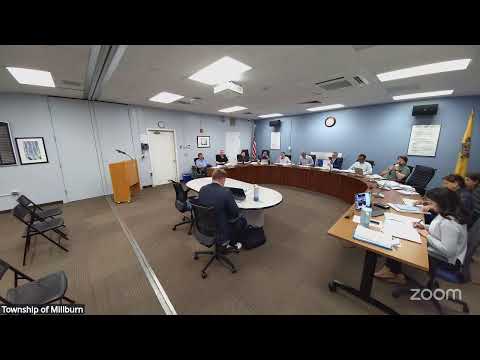
The Real North Township Planning Board voted July 15 to find ordinance 27-61-26 — a zoning amendment that creates a new section (DRZ 609.16) for wireless telecommunications facilities — not inconsistent with the township master plan.
Planner Mr. Peto (speaker 6) told the board the ordinance distinguishes small wireless facilities in municipal rights of way from larger 'macro' facilities, makes macro facilities conditional uses in certain commercial and office districts, and requires applicants to demonstrate infeasibility of preferred districts, perform alternative‑site and co‑location analyses, and meet siting and design standards. The draft includes a 300‑foot setback from residential zones and sensitive uses (schools, places of worship, child‑care centers), a general 90‑foot tower limit with a 300‑foot residential buffer, rooftop and monopole standards, and procedures meant to align with federal timing and preemption rules.
Board members questioned whether the 300‑foot setback would prevent siting antennas on tall residential rooftops or mixed‑use buildings and how the rule interacts with carriers' site preferences. Mr. Peto and others explained the ordinance allows conditional‑use review and, if compliance would cause an effective prohibition under federal law, an approving authority may reduce the setback to the minimum extent necessary. The planning board also noted a technical numbering edit to the ordinance language.
After questions, Chair (speaker 1) moved that the board find ordinance 27-61-26 not inconsistent with the master plan and adopt a memorializing resolution with the technical edit; the board adopted the motion on a recorded roll call. The ordinance will move through the governing body's processes; this finding is the planning board's advisory consistency determination under municipal land‑use law.