Get Full Government Meeting Transcripts, Videos, & Alerts Forever!
Get email alerts on the Housing Rent Stabilization topic
No spam. Unsubscribe anytime.
Residents urge rent moratorium for mobile-home parks as owners push back
Summary
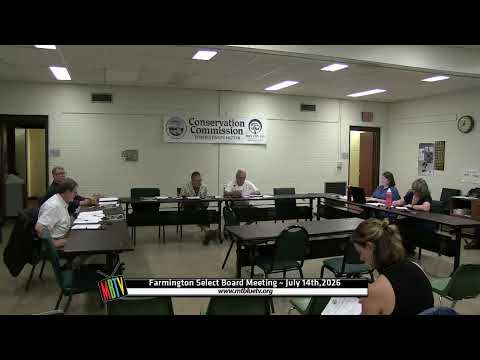
Residents told the Farmington Select Board July 14 they face steep, unpredictable lot-rent increases and asked the town to consider a moratorium or an ordinance capping annual increases; park owners said most increases tracked CPI and warned municipal controls could deter investment.
A crowd of mobile-home residents and advocates pressed the Farmington Select Board on July 14 to advance a draft ordinance that would limit annual lot-rent increases and create an appeals process, while park owners and landlords warned such rules could curtail investment.
Lori Nambria, who said she works with the Maine Labor Climate Council, told the board the draft ordinance in the meeting packet would protect homeowners who own their units but rent the lots beneath them: “We have been supporting folks who live in mobile home parks to who want to organize to win protections from their town,” she said, noting several Maine communities have adopted similar protections.
Nut graf: The hearing brought competing views into stark relief. Residents from Cascade Leisure Park, Sunrise and Westwood described rising lot rents and out-of-pocket costs — water, sewer, trash and maintenance — and asked the board to place a rent-moratorium question on the November warrant or adopt a cap such as 3% with a 90‑day notice. Park owners argued most local increases have been modest, that state law already provides certain notice and mediation rights, and that local controls could discourage rehabilitation and new housing.
“I'm getting older and our household budget is not increasing,” resident Cindy Marquis said, describing her inability to absorb large rent hikes and asking the board to “give serious consideration to adding a rent moratorium and referendum to the November ballot.” Other residents described specific maintenance shortfalls — broken concrete pads, standing water and delayed repairs — and said they lack the support they need from park management.
Guardian Communities managing partner Zach Rabin, who identified himself as a local owner and operator, disputed broad claims that owners were raising rents aggressively. “We did not do that. We are not out of control,” he said, urging the board to consider market context and state rules. Another owner, identified in discussion as Mills, conceded lot rents have risen more than some claimed: “It's actually gone up more than that,” he said in response to a resident's figure.
Board members and staff clarified procedure: a citizen petition would typically start with the town's code/planning office and could move to the zoning or planning board and then to a town meeting warrant for final voter action. Several select board members urged residents to pursue the formal petition process and noted the state's 2025 laws establish notice requirements, a 90-day advance notice for increases and a CPI‑linked cap that triggers mediation when exceeded.
The board did not take action on the ordinance at the meeting. Chair encouraged residents to gather support and follow the town's petition steps so the zoning/planning process can consider the proposal and decide whether to place it on a warrant for town meeting.
The Select Board is expected to refer petitioners to the code office and to the appropriate land-use board for the next procedural steps.