Get Full Government Meeting Transcripts, Videos, & Alerts Forever!
Get email alerts on the Governance Policies topic
No spam. Unsubscribe anytime.
Community Choice Schools Commission adopts renewal, corrective-action, revocation and closure policies; approves legal retainer
Summary
The Community Choice Schools Commission voted Feb. 18 to adopt a set of oversight policies — renewal, corrective action, revocation and closure — and approved using remaining 2025 Bradley Grant funds to retain outside legal counsel. Commissioners said the policies remain subject to future revision after legal review.
The Community Choice Schools Commission voted unanimously Feb. 18 to adopt a suite of oversight policies intended to guide how new and existing choice schools are evaluated and, if necessary, intervened upon.
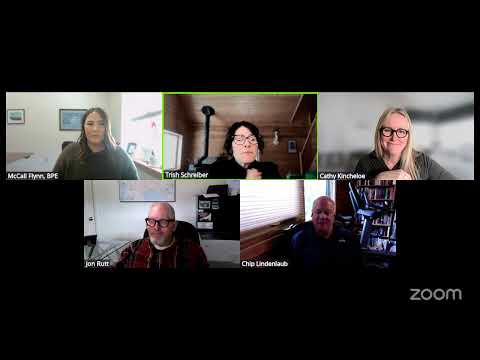
Chair Trish Schreiber moved the measures, which commissioners said set clear timelines for review and response while preserving school autonomy. The Commission also approved a motion to apply remaining funds from the 2025 Bradley Grant as a legal retainer to complete required legal review of the policies.
Why it matters: the policies create the procedural framework the Commission will use to renew charters, require corrective action, open revocation hearings and, where required, manage school closures. Commissioners said legal review is necessary to ensure the documents align with state law and to clarify procedures such as hearing timelines and vote thresholds.
What the Commission approved: the renewal policy (including a renewal site-visit template and performance-reporting expectations), a corrective-action and intervention guidebook that requires an initial school response within three business days, a revocation policy that describes hearing rights and scheduling (a hearing would be set within five days of opening a revocation process), and a closure policy that relies on prebuilt templates to speed 24- to 48-hour stakeholder communications in emergency situations.
On funding and timing: Chair Schreiber and other commissioners said the decision to retain private counsel followed the closure of a previously used agency legal service bureau and the need for expedited review. Commission discussion put the approximate retainer amount at about $26,000; Treasurer Chip Lindenlaub said the commission currently had roughly $75,000 on hand and expects an additional Bradley grant disbursement in March.
Some members stressed flexibility and transparency. Commissioner Barbara Forrester Frank asked that templates and site-visit materials explicitly call out positive findings and innovations, not only areas of concern; commissioners agreed to add language inviting creative approaches. Several members also requested that the revocation policy explicitly state that final determinations are made by Commission vote.
Next step: commissioners voted to seek legal counsel for the policies and scheduled continued policy review at their April meeting. The Commission did not adopt permanent statutory language and said changes could be returned to the agenda if legal review suggests edits.
Quote: Chair Trish Schreiber opened the meeting by saying the goal was that “everyone present leaves today's meeting having felt engaged, productive, respected, valued, and heard.”
Outcome: All motions related to the policy adoptions and the legal-retainer allocation passed by unanimous votes.