Get Full Government Meeting Transcripts, Videos, & Alerts Forever!
Get email alerts on the Solid Waste Agreement topic
No spam. Unsubscribe anytime.
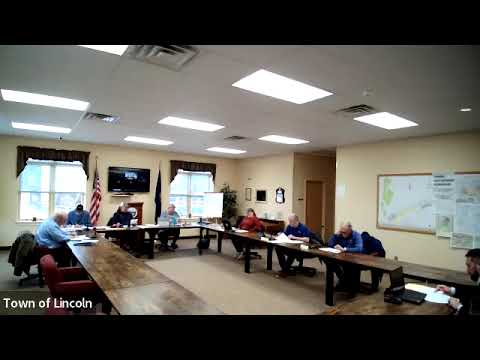
Lincoln and neighboring select board review draft agreement to govern shared transfer station
Summary
At a joint session, select board members reviewed a new draft intermunicipal agreement for the towns' shared solid‑waste transfer station, raising questions about voting rules, personnel authority and budget thresholds and asking counsel to revise and refile the draft for review.
At a joint meeting, Lincoln officials and a neighboring select board reviewed a draft intermunicipal agreement intended to govern operations of a shared solid‑waste transfer station. A presenter who helped draft the document said the text was updated because the previous agreement had expired and should be reviewed by each town’s counsel and the facility operator for insurance and operational feedback.
The presenter said the draft relies on the municipal‑agreement statute cited in the discussion and envisions a joint board made up of each town’s select board, with one vote per town, plus an executive committee composed of one representative from each select board and the facility manager to handle routine operations. “Each town receives one vote, and any votes need to be unanimous,” the presenter said, explaining mechanisms for when the executive committee cannot reach agreement.
Board members pressed on several points. They objected to draft language that appeared to grant hiring, termination and disciplinary authority to the joint governance structure, arguing those responsibilities remain, in practice, with the local town manager and public‑works director. One member said the personnel language could “undermine our employees’ authority” and asked that the draft be revised to preserve local managerial control.
The draft also proposes an executive‑committee delegated spending limit (discussed as $5,000) and a 50/50 revenue split. Members asked for clearer language on how capital projects already approved in a town’s CIP would be treated and how the towns would handle appropriation shortfalls; the presenter said the draft reduces another town’s usage proportionally if it fails to appropriate its share and provides for mediation and legal remedies if the dispute cannot be resolved.
On next steps, the presenter said he would revise the draft with the board’s feedback and exchange edits with the town attorney and the facility operator for insurance review. The boards agreed to pursue those edits over the next two weeks with a goal of having a refined proposal before the towns’ budget processes; the presenter cited a November 1 planning milestone for budget proposals. No formal adoption of the agreement occurred at the meeting; members requested clarified budget language and a resolution of the employment/personnel provisions before returning the draft for formal action.